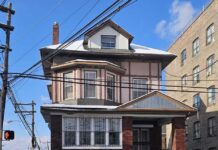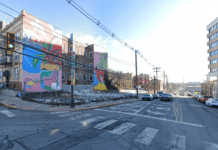

In 1889, Dorothy Fearing became Jersey City’s first Black schoolteacher, and the Bergen Hill home where she lived offers a fascinating window into the city’s Victorian era. But like many black history sites, it has no landmark designation and no protection from demolition. But that could change soon.
Fearing’s home at 363 Randolph Avenue, where she lived in 1906, is one of many notable black history landmarks. It is part of a new city-commissioned study identifying similar sites, presented at last month’s Historic Preservation Commission meeting. These sites will be added to an important index called the Historic Sites Inventory, which gives the Historic Preservation Commission some teeth to prevent demolition.
“We’re really happy to have some of this begin to be documented,” Maggie O’Neill, senior historic preservation specialist, said. “It is extremely overdue not just for this but for, frankly, most of the underrepresented groups in the city.”
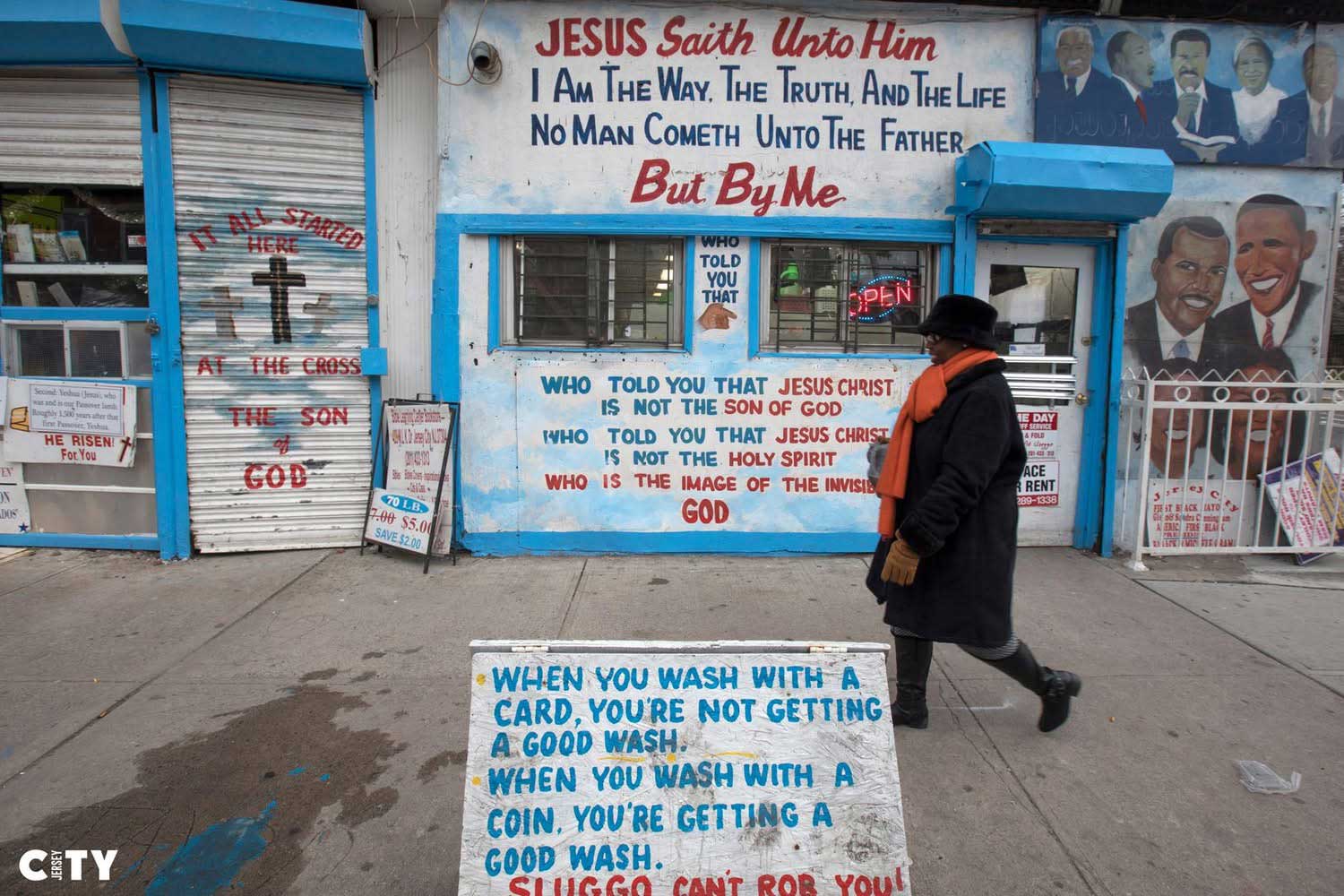
Hunter Research, which authored the study, worked with Neal Brunson, director of the Afro-American Historical Society Museum, Charles Mainor, president of the Jersey City NAACP, and Gillian Sarjeant-Allen to identify the sites in the survey.
Maggie O’Neill said a larger goal of the study is to establish an African-American heritage trail throughout the city or add these sites to the New Jersey Black Heritage Trail. Since its creation in 2022, it has about 80 sites, but none from Hudson County yet.
“It’s something that we’ll look at next year,” O’ Neill said. “Right now, we are focused on getting these into the inventory to add that level of protection to them.”
The study is the first of its kind. O’Neill noted that Mayor Glenn Cunningham, the city’s first Black mayor, spearheaded initiatives to recognize Black history, but this is the first architectural study on the topic.
“As far as Hunter Research could tell, there has been no primary source documentation for African-American history done in Jersey City,” O’Neill said.
This inventory comes at a time of growing concern about preserving Black history sites. In Newark, NJPAC has begun demolishing the Cathedral House, despite its landmark status. The HPC voted unanimously to approve this update to the Master Plan’s Historic Preservation Element. The Planning Board must now vote on it.
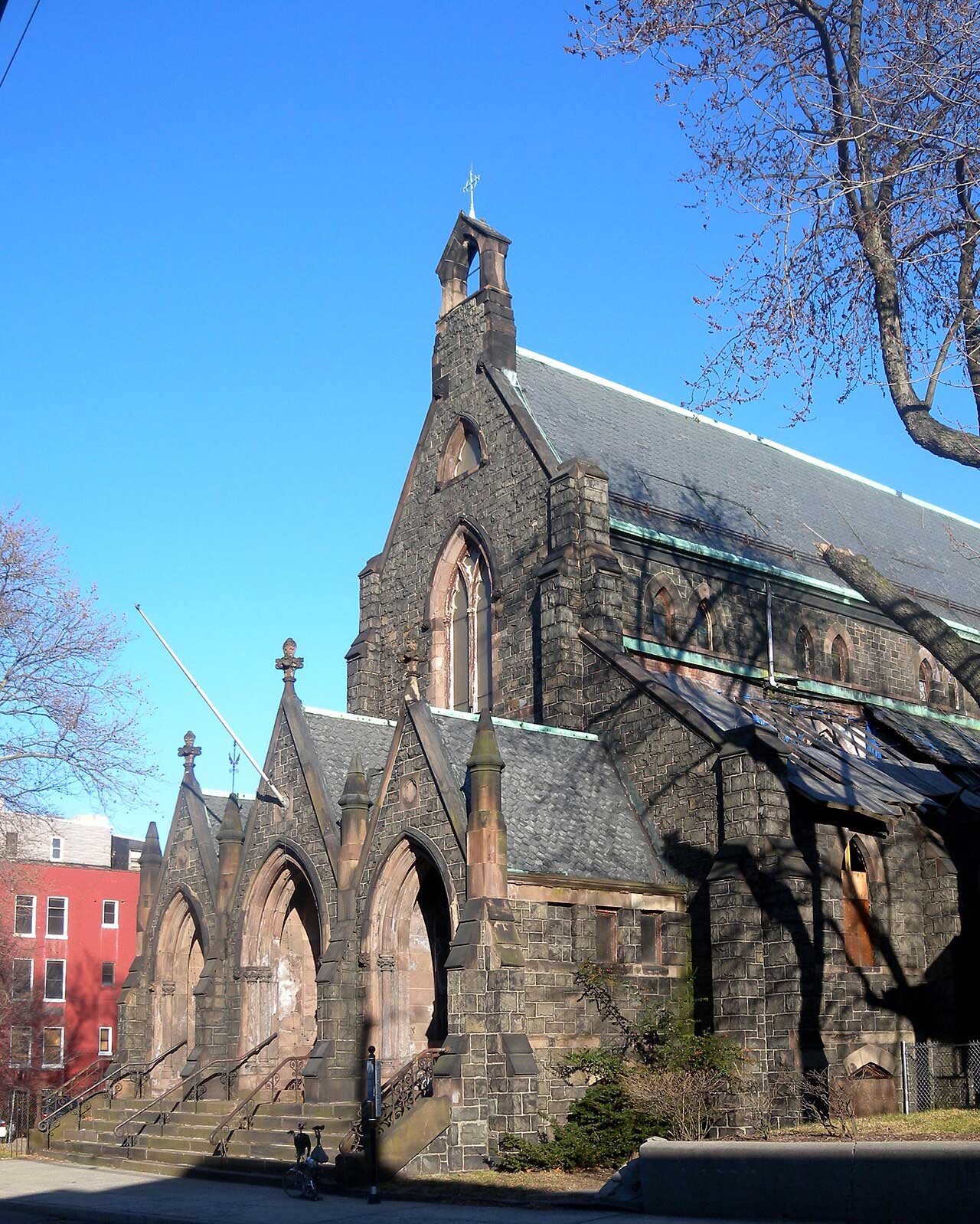
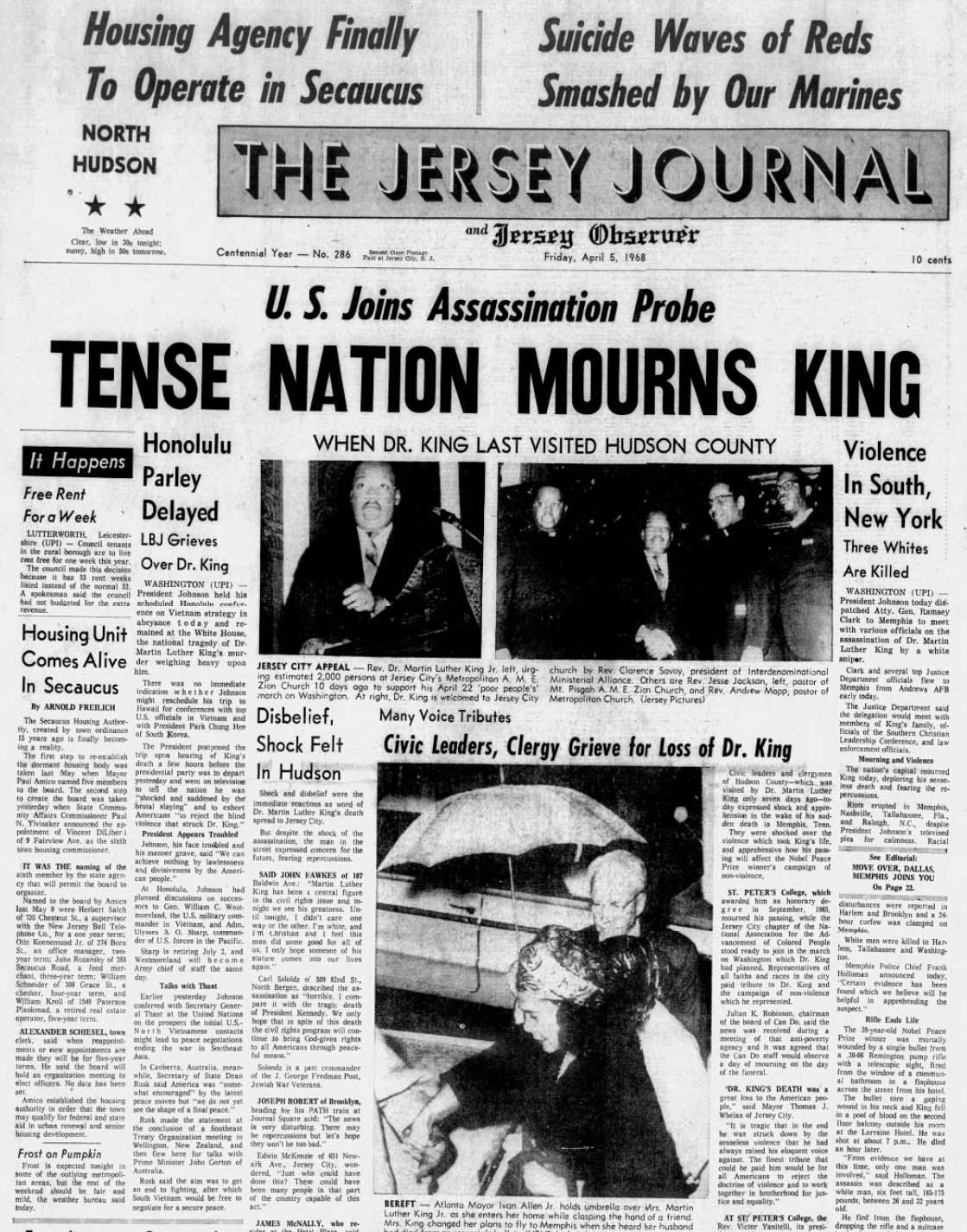
Several Black history sites mentioned in the study have already been designated landmarks. St. John’s Episcopal Church, which became the home of Civil Rights activism in the 1960s, and the Apple Tree House, where the Van Wagenen owned slaves, are among the buildings that already have protection. In 1968, the Reverend Martin Luther King, Jr. gave a speech at the Metropolitan AME Zion Church, which is protected as part of the West Bergen-East Lafayette Park Historic District. It is considered one of King’s last appearances before he was assassinated eight days later.
However, other sites, like Fearing’s Bergen Hill home, lack landmark status. The Hilton-Holden residence at 79 Clifton Place, a stop on the Underground Railroad, is one of those unprotected places. It is the only known remaining stop on the Underground Railroad in the city that still stands. The other three identified in the inventory have all been demolished.
“This report, we all acknowledge, is a starting place,” O’Neill said. “There will be more sites that are uncovered and added as more research is done at a later date.”