

This is a guest post by Patrick Carr.
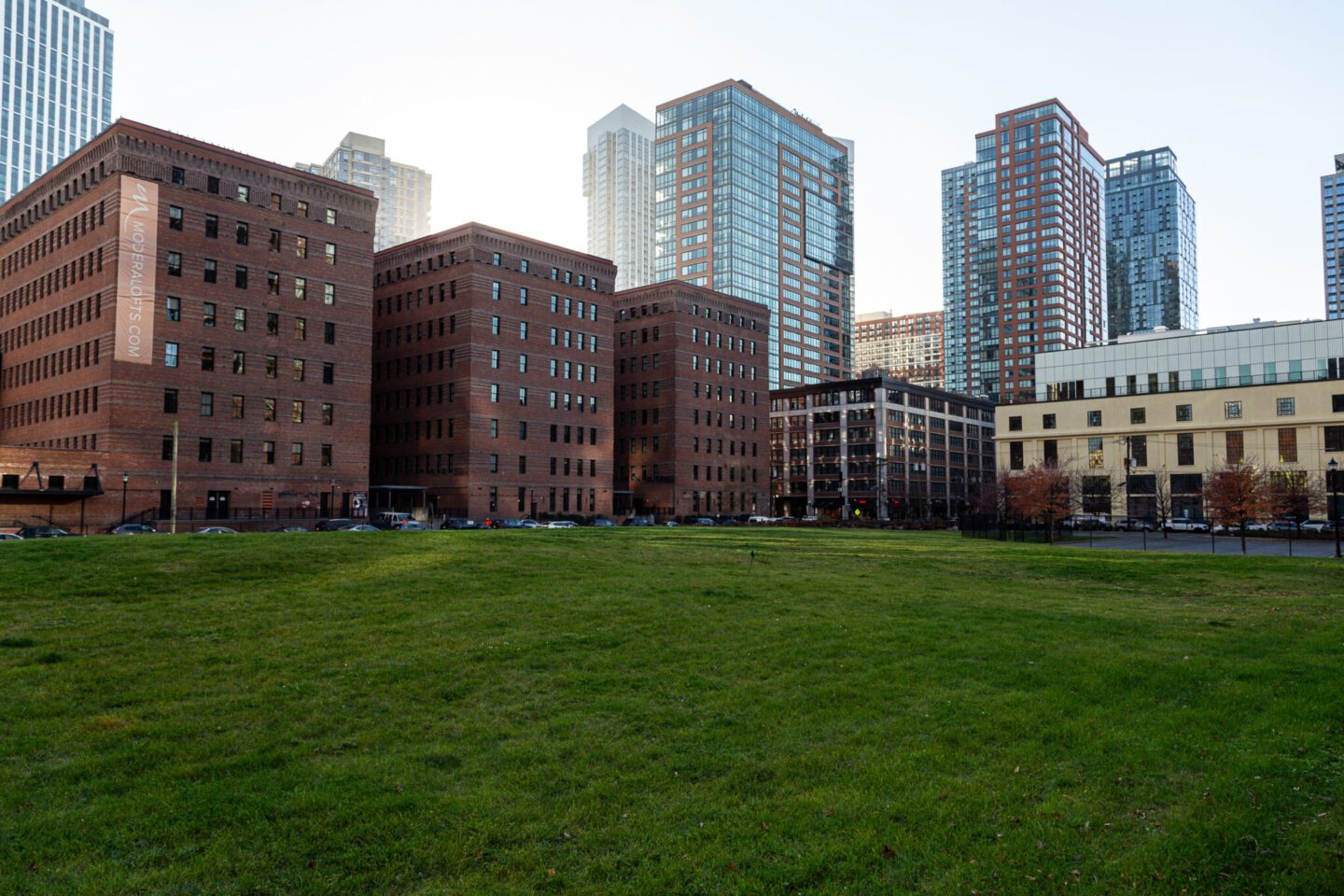
Over the past few decades, Jersey City’s Powerhouse Arts District has been overrun with residential high-rises. At the same time, everything neighborhoods require to make them livable has been neglected. The local elementary school, P.S. 16, is currently at 200% capacity, about the most crowded school in the state. Classrooms have upwards of 35 students this year. Art classes are held on the auditorium balcony to show how short on space it is. Meanwhile, another 11,000 residential units are in planning or construction. The lot at 111 First Street, recently spotlighted here in Jersey Digs, is maybe the last undeveloped parcel in the zone. It has the space to handle current and projected demand for education both in the immediate vicinity and downtown. The lot at 111 First Street should have a school, and nothing but a school.
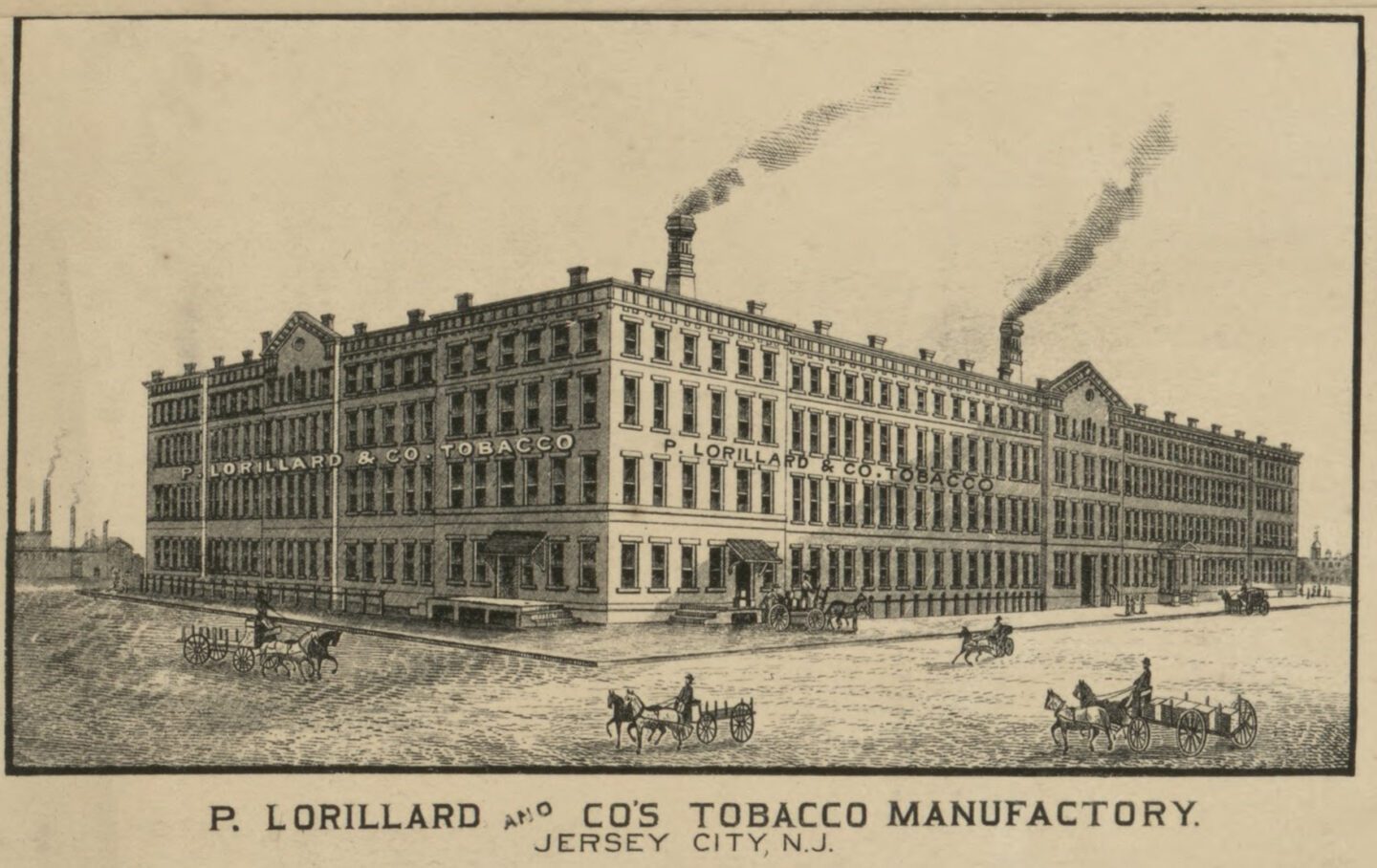
The school at 111 First Street should be a big, modern public school with 2000 seats for students in pre-K through 8th grade. It should have sufficient outdoor play space, unlike the undersized, developer-built P.S. 16 Annex. It should also include a gym and an auditorium that the community can use when school isn’t in session. There should be dedicated arts classrooms for the whole district to use, in homage to the artists who were run out of the building that previously stood at 111 First Street, which a developer wanted to cash in on gentrification.
As it happens, 111 First Street has been discussed as a potential school site by the district and the city, in partnership with a private developer. The idea is that a developer would build one or two enormous luxury residential towers and include 24 or 25 classrooms at the base. This proposal is insufficient. Twenty-five classrooms don’t give P.S. 16 the space it needs for a reasonable student-teacher ratio right now, let alone five years from now, and it doesn’t account for projected need across downtown. Absurdly, the building on top of this proposed school would only crowd the place further.
We don’t need a residential tower at this address. We need a school.
If a private developer won’t make a serious proposal, no private developer should be involved. The idea of relying on developers to provide schools or any kind of public good is full of wishful thinking, unfortunately. Developers have shown again and again that they’re incapable of doing anything properly for the community, from the miniature P.S. 16 Annex to the poorly constructed Coles Street Park, which was recently closed because the ground destabilized. People have an expectation that developers owe “community givebacks,” but developers do not share that sentiment, and no one has the power to compel them.
It’s up to the city and the state to provide for education, and they—we—need to be serious about it. Like P.S. 16, most Jersey City school buildings are 95 to 130 years old. They date back to the days of Mayors H. Otto Wittpenn and Frank Hague. (Say what you will about Hague’s corruption, but he got schools built.) Three of Hoboken’s five schools are over a century old, and all are at least 50% over capacity. More than half of Newark public schools are over 100 years old, and many are closer to 150. We send many tens of thousands of students to school in old, dilapidated buildings. There is no quick trick to fix this statewide problem, and no one is going to fix it for free. We need to modernize public education, and we need to do it with the same zeal developers use to extract tax breaks.
In Jersey City, the Solomon administration has taken positive steps toward providing for education: 10% of PILOT money will now go to the school system, and the district will see increased revenue from the 1% payroll tax thanks to the administration’s expansion of the tax rolls. But these steps barely begin to make up for the years of neglect—if not outright sabotage—of the Fulop administration.
At the state level, representatives are still negotiating legislation to issue a bond for school construction that was proposed almost a year ago. Eventually, the governor will have to sign off on a number that she’s comfortable with. That number should be serious, and it should be decided soon. Our children deserve serious investment immediately, not in coming years, decades, or centuries.
For generations, both locally and nationally, we’ve incentivized and applauded private interests while grumbling at the idea of providing public goods. The Jersey City political class incentivized developers to overcrowd schools with the school system’s money. Gentrification has proceeded as though on tilt. The result is a city that’s increasingly just a parking lot for capital. We need to change course. The first step is to build a big public school at 111 First Street.
