
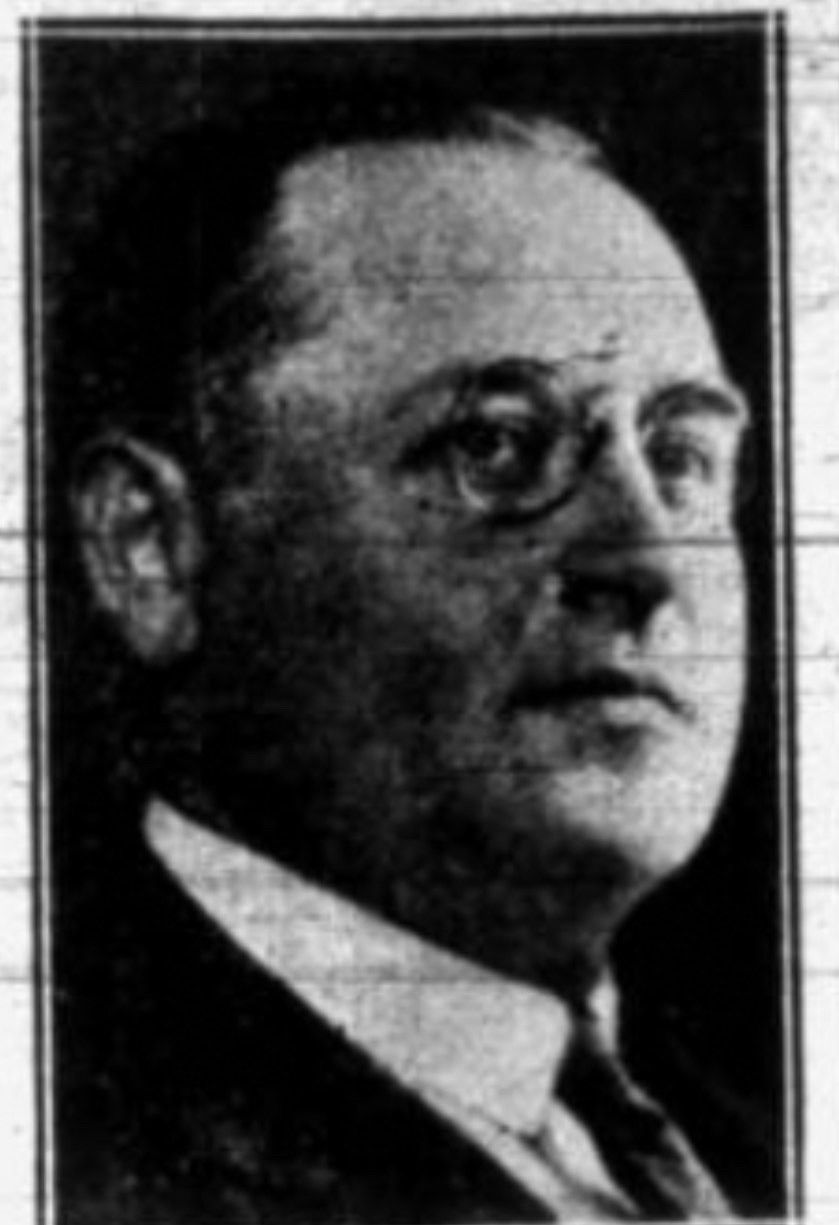
Ernest Miller became one of the world’s wealthiest taxi operators during his lifetime. The taxicab tycoon, as one newspaper called him, is credited with opening Newark’s first cab company in 1909, when he was only 24, with a fleet of just eight taxis.
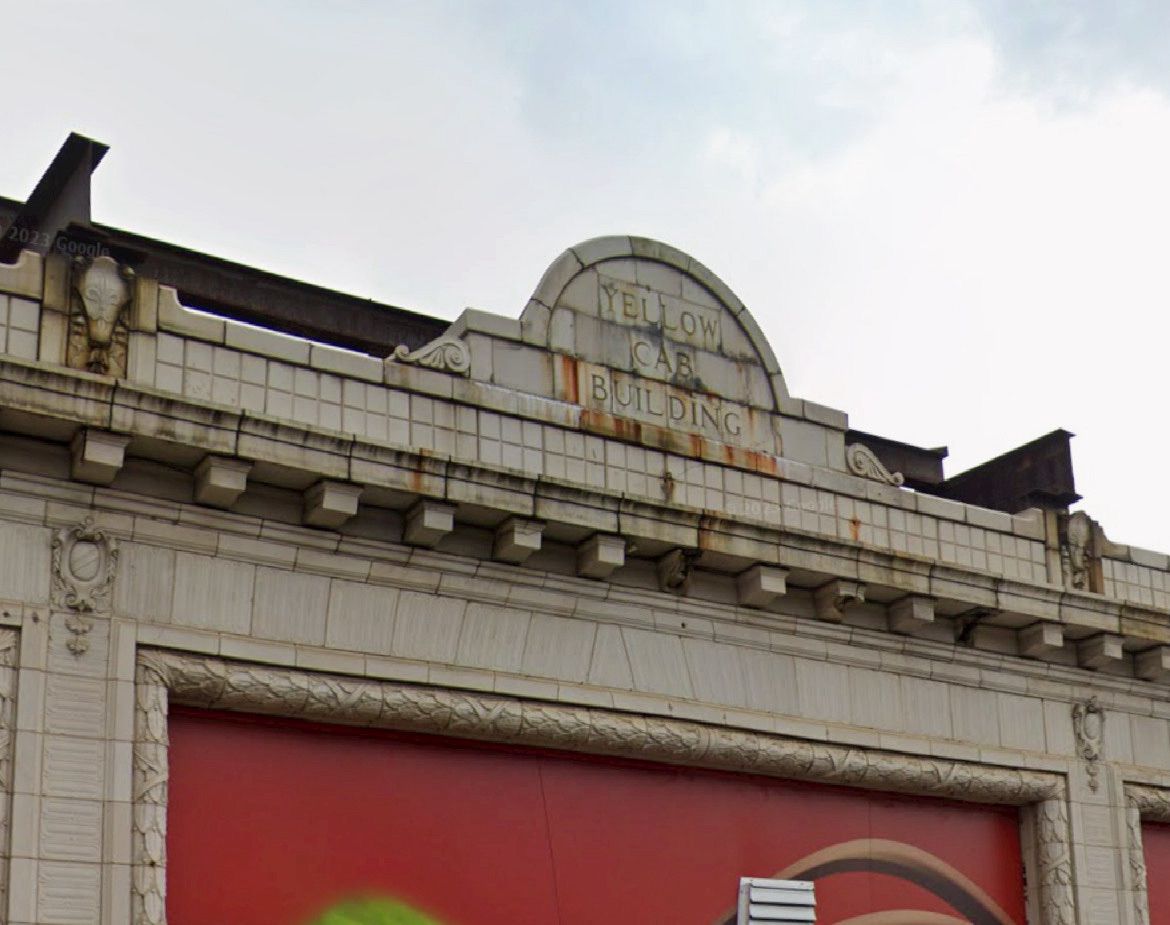
He outgrew the original offices on Centre Street and built the company’s namesake headquarters — the Yellow Cab Building — at 19 Sussex Street.
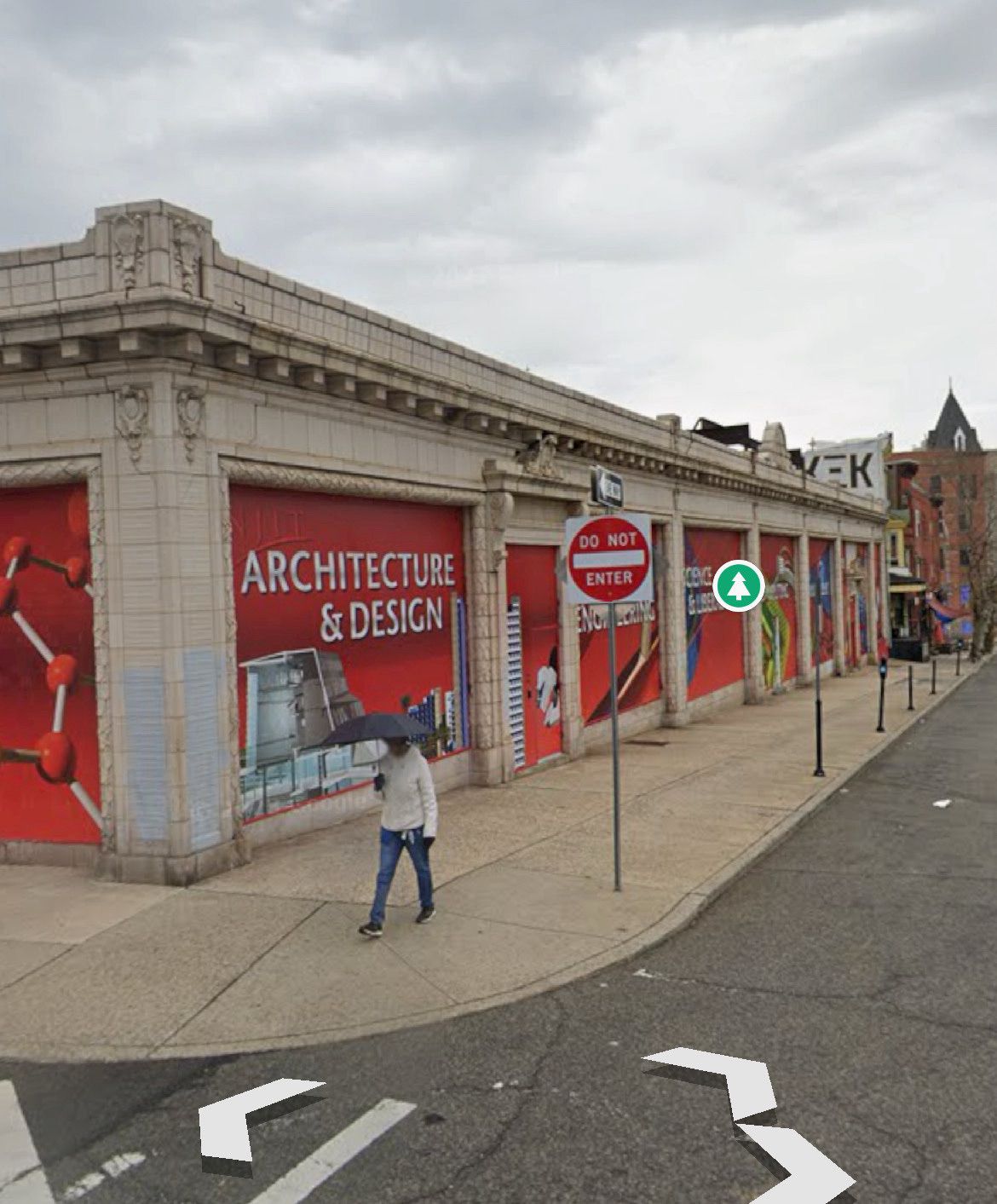
Now owned by NJIT, the university recently revealed plans to restore the century-old building in painstaking detail, including the terracotta with the “exact replica of the shape and color,” according to architect Dom Diaz, who is leading the restoration.
“The end result is that we’re going to have a building that looks exactly the same as it is but in a new state of existence,” Diaz said.
“It was in a deteriorated state,” Diaz continued. “There were holes in the roof, deteriorated plywood, deteriorated joists, the terracotta facade, cornice and brick parapet were in a dilapidated state.”
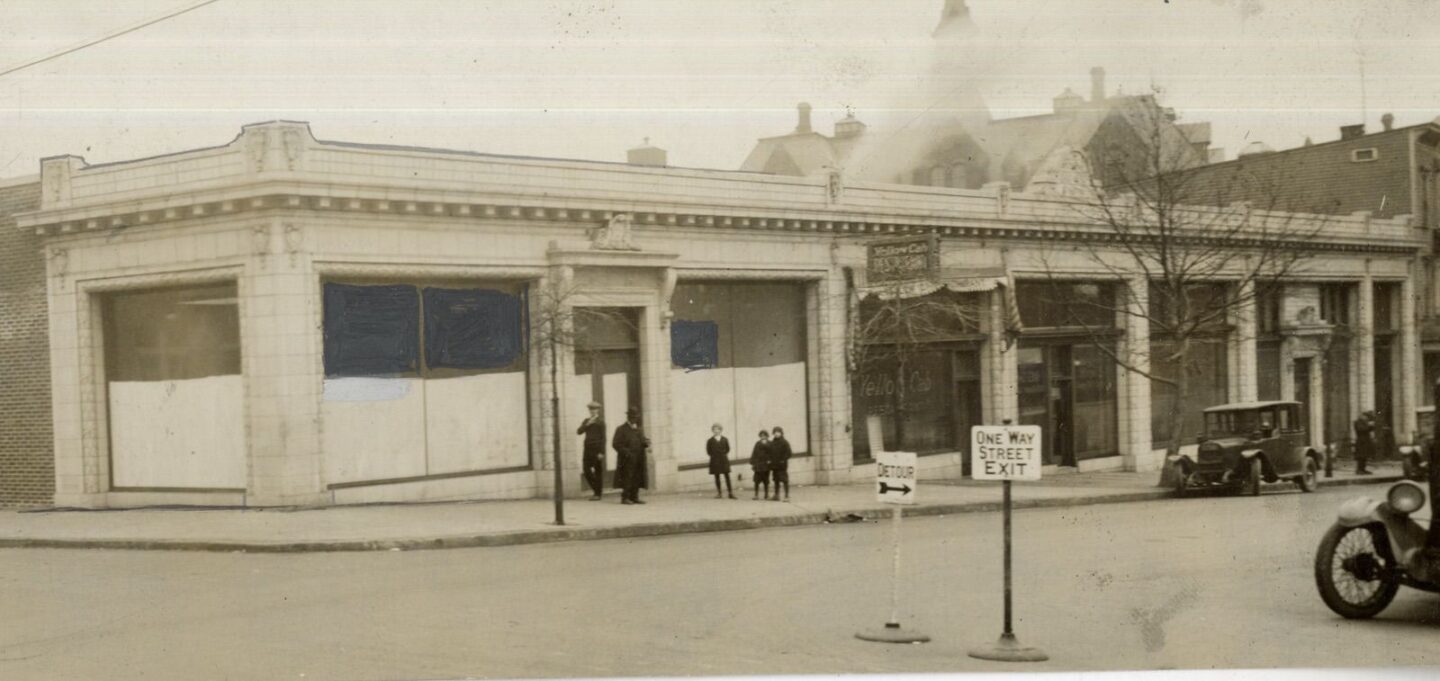
One feature of the building that won’t be restored are the large picture windows that used to line the street, as a vintage photograph from the 1920s indicates. Diaz said the previous owner filled in the windows with cement blocks. After buying the building, NJIT covered the cement block with decals to cover up existing graffiti and deter further vandalism.
Nicaury Miller, vice chair of the Landmarks and Historic Preservation Commission, said that she wants the university to someday restore the facade to its original state. “Usually we get individuals who want to knock it down and put something else, so we appreciate that you want to maintain the integrity and the historic aspects of this building,” Millet said. “However, I think we should have a conversation with regard to the signage, because it takes away a lot from the architecture and look of the building.”
The one-story building on NJIT’s campus is perhaps one of the most recognizable historic buildings in the James Street Commons Historic District. Edward Warren, a prominent local architect, drew up the plans for the building’s intricate terracotta details.
The Yellow Cab Company slogan was “every driver an escort,” to emphasize the white-glove service taxi drivers once offered to riders. In the 1920s, cab drivers wore uniforms, called themselves chauffeurs, drove Willys-Knights, and charged about 50 cents per mile. In 1943, it cost a passenger $50 to travel from Newark to Atlantic City.
Shortly after the new building was built, the cab company was acquired in 1930 by Public Service, the utilities company. Then, Public Service was trying to take control of the state’s taxi cab industry and make it a natural monopoly. But they didn’t succeed.
Miller’s ascent to becoming president of the world’s largest cab company was steep and fast. In 1926, he left Newark to become the president of Yellow Taxi in New York. Three years later, Miller became president of the Parmalee System, which operated taxis in cities across the nation, including Chicago, New York, and Pittsburgh, and employed 30,000 drivers. The Newark Sunday Call called it the world’s largest taxicab operator. Miller had an interesting managing style that likely wouldn’t fly these days — he infamously only hired married and older men, believing they were more loyal and led to less turnover. He died at age 45 of a stroke.
In 1943, the Newark Sunday Call did a feature on Harry Feldman, who worked in Newark as a cabbie for 30 years, offering a peek into the industry. He said that “hacking,” which was slang for driving a taxi, suffered a bit from the popularization of the automobile. However, taxi cabs remained popular in Newark because navigating the downtown traffic was such a nightmare with cars, buses, and trolley lines.
“Before Henry Ford put a car in every garage, hacking was ‘swell,’” the story reads.