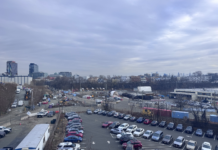

A waste management facility is being proposed in Jersey City that could process 750 tons of garbage per day. But residents and elected officials are railing against the plan, claiming that it doesn’t meet the threshold of the state environmental justice law.
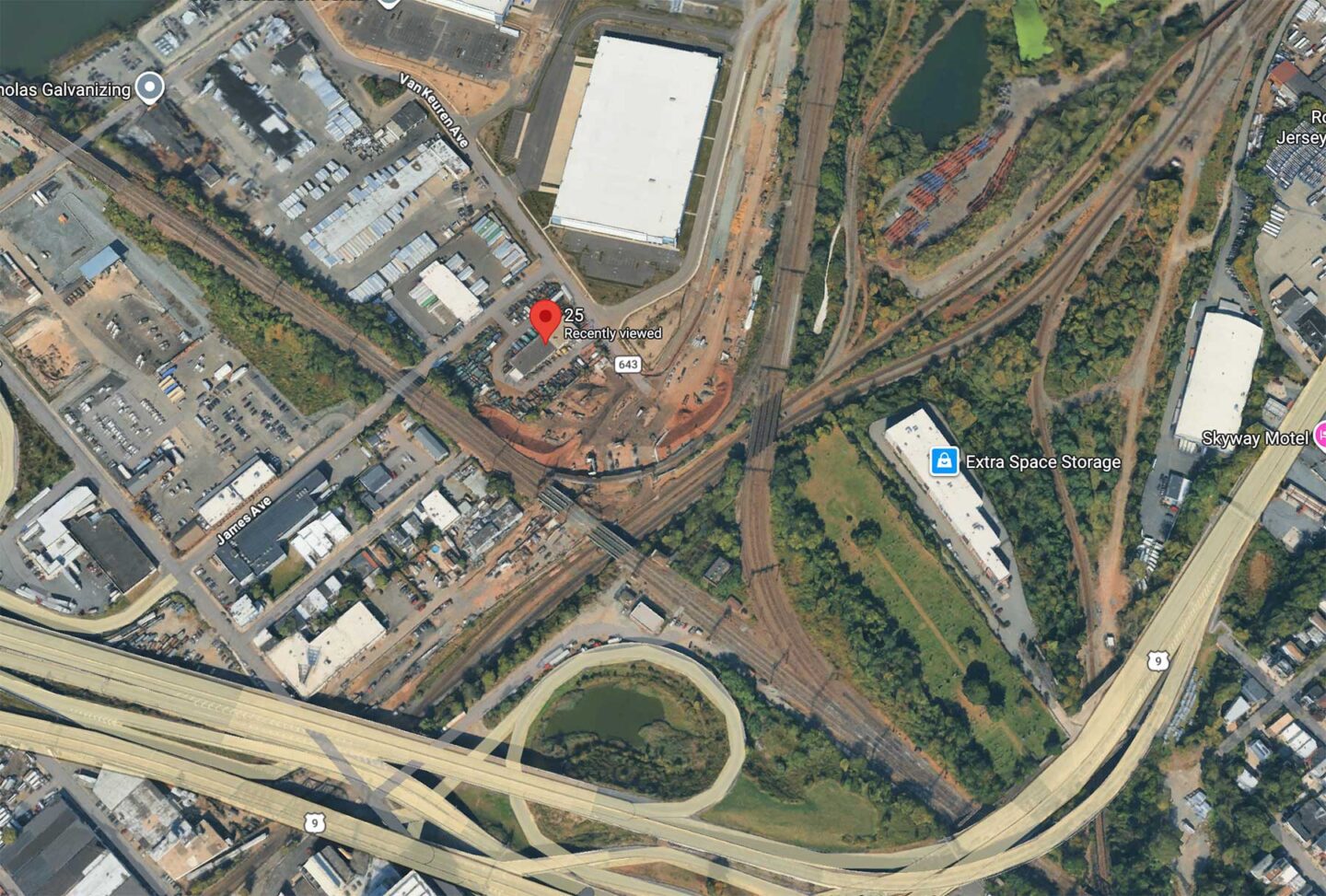
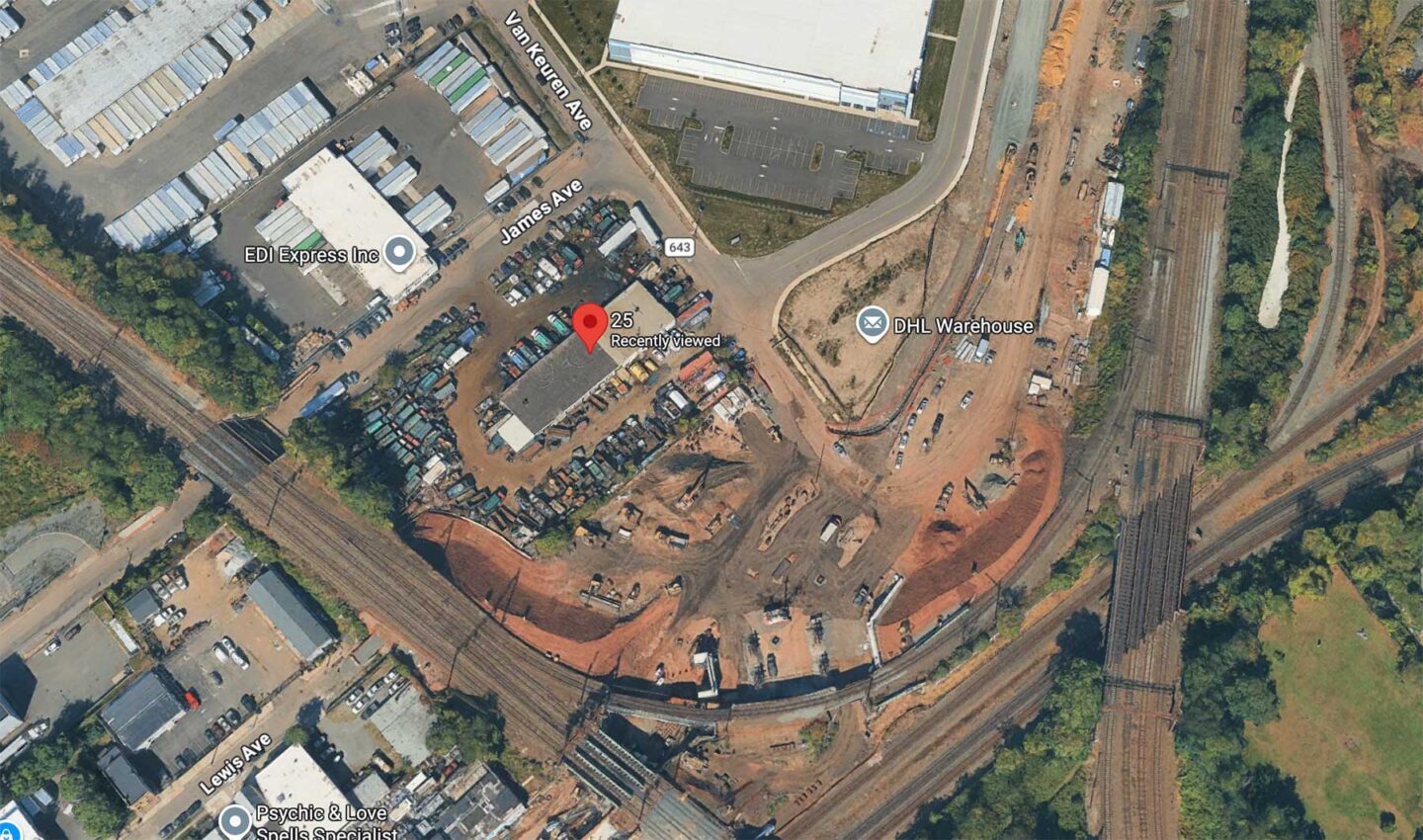
A second community meeting will be held on August 20 to present plans for the facility at 25 Van Keuren Avenue and to hear public comment. This follows a meeting held in April, hosted by Michael Logan, vice president at Compliance Plus Services. These meetings are required by the Department of Environmental Protection when constructing an industrial facility in an already overburdened community. This would be the second “waste transfer point” within the city’s borders.
Logan’s presentation was followed by two hours of public comment. One after another, speakers, unified in their opposition, argued that they already have their fair share of pollution.
Arnold Bettinger, a resident of St. Pauls Avenue and former city councilman, denounced Morgan for not mentioning that trucks would also pass along his street, despite the report including that it would use that street.
“It is simply not an appropriate location for an operation of this scale,” he said. “No community, especially ours, should be asked to live with constant odors, pollution, and industrial traffic at all hours.”
The plan’s history dates back to 2019, but an updated application was submitted in 2024 to comply with a new law passed in 2021.
Logan’s presentation indicated that 19 categories were considered “adverse” and that there is a pre-existing cumulative environmental burden. The site doesn’t have existing adverse contributors of fine particulate matter, but the new facility had the potential to worsen that due to increased vehicle traffic during construction. The “worst case” could increase cancer risk from diesel particulate matter. However, Logan said the facility would implement measures to minimize health risks, such as an air pollution control system that can remove 99 percent of particulate matter. Logan argued that 60 percent of the waste process would be recycled.
“It’s the residents in our Ward that will be most impacted by this plan,” Councilmen Tom Zuppa, who criticized the organizers for not having the meeting in Ward C, where the proposed facility would be located. “This plan is an easy no-go.”
Zuppa noted the new facility’s additional truck traffic would burden a residential neighborhood. “What we’re trying to build in Ward C is a place for community, for families, for clean air, and parks,” Zuppa said.
Zuppa questioned why the community meeting, held at 80 West Side Avenue, was located more than three miles away from the proposed site. However, since the last meeting, a new meeting was scheduled for August 20, this time in Ward C at St. Ann Church.
Commissioner Bill O’Dea said this was one of the “worst things” proposed in his long political career that began as a city councilman and raised concern that the application is not required to appear before local land-use boards because the proposed site is located within the jurisdiction of the New Jersey Sports and Exhibition Authority.
“They are allowed to impose this with no local control, with no elected official input or any say, with any local planning board or zoning board having any public hearing,” O’Dea said.
Senator Raj Mukherji, who was a member of the New Jersey General Assembly when the environmental justice law was signed, said the application must be denied under the law because a polluting project requires that there be “compelling public interest” to build it.
“That exception was narrow — that exception and that language was based on a law I know something about because my name was on it,” Mukherji said. “Simply put, this application does not meet that standard.”