

The Hoboken we know today would have been hard to imagine for someone living here 50 years ago. It had always been a working-class town, but once the factories left, it fell into poverty. The city’s unemployment rate reached an untenable 16.7 percent as local industries like Bethlehem Steel, Tootsie Roll, and the shipyards closed.
Adventurous Manhattanites began to rediscover the brownstones and row houses. Anna Quindlen wrote a story about this trend for the New York Times in 1981 and interviewed couples who had bought properties in the 1970s for less than $50,000 at the time. But the tenements in particular need considerable investment. Many were still cold-water flats and even had shared bathrooms.
The housing stock was aging, with 85 percent of buildings built before 1939. But the owners often had trouble getting loans due to redlining — not many know that Italians and Latinos, the two largest ethnic groups in Hoboken, were also prey to redlining. So, the tenements were often abandoned and left to decay. A citywide epidemic of empty buildings followed.
“The people who could get out of Hoboken were moving because it was considered a lost town,” said Joe Barry, cofounder of Applied Housing Company, a developer who participated in the tenement rehabilitation program that eventually spared the city from a fate that many American cities suffered in this decade.
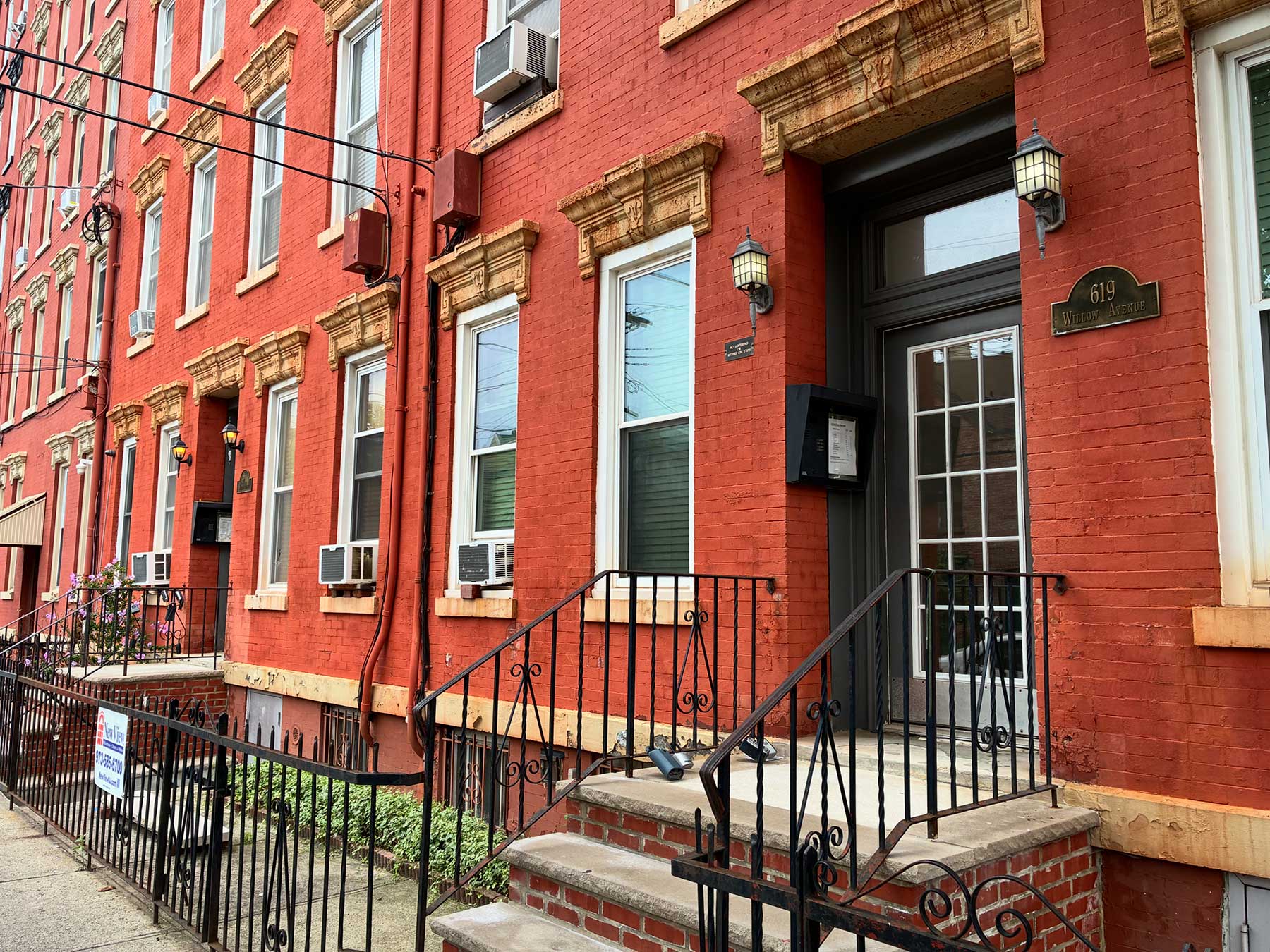
In 1971, Hoboken’s city government launched a sweeping preservation program called Model Cities that put grants and low-interest loans into the hands of property owners. After two years, the program shifted its priorities and became the tenement rehabilitation program. The thinking was that it would be cheaper to rehabilitate the buildings than to build a similar one anew. It began with brownstones but soon expanded to the tenements. One of the first grants distributed to a Hoboken tenement owner went to Christo Varkerakis, who owned 619 Willow Street, in 1976.
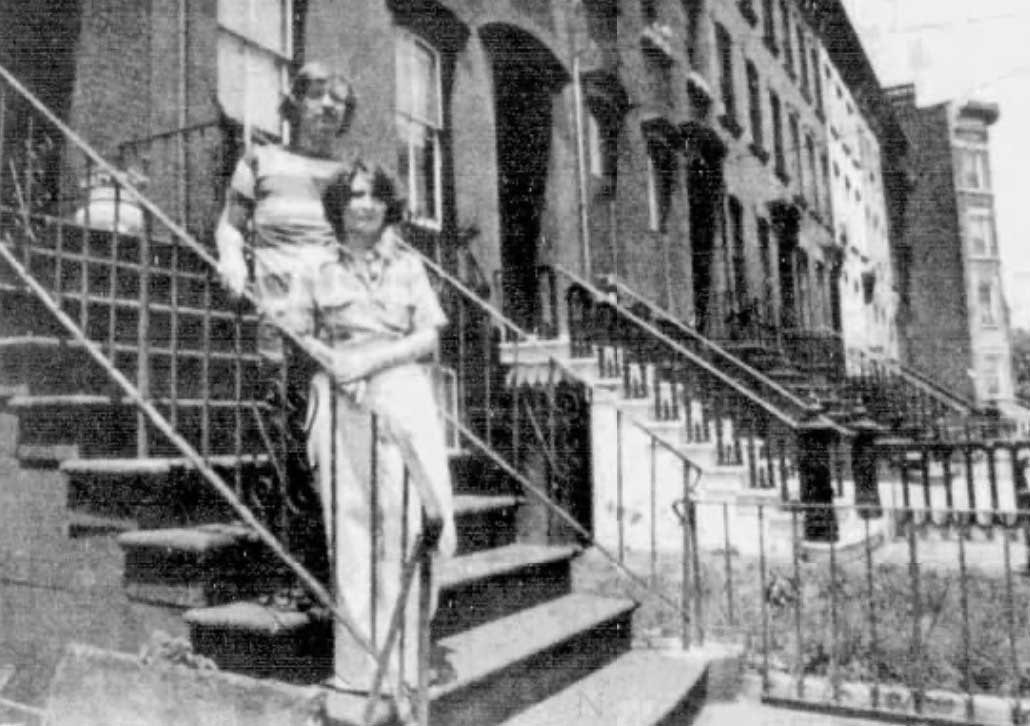
Looking back, two things stand out about the tenement rehabilitation program. The first is that Hoboken was using state and federal funds to subsidize the initiative — the same funds that were available to other cities like Camden and Newark, places that had seen a very different brand of midcentury urban renewal based on demolitions. Hoboken, however, was particularly aggressive and innovative in seeking out these finds, leading the nation in government subsidies, and turned around the city’s entire reputation.
“Nobody’s laughing at Hoboken anymore,” Mayor Steve Cappiello told the Washington Post in 1976.
Another interesting point is that Hoboken’s preservation efforts in the 70s happened without the benefit of the preservation laws we have today. The first designated landmark was the historic Hoboken Terminal, listed on the National Register in 1973. City officials operated in unusual solidarity, believing there was more value in saving Hoboken’s historic architecture than demolishing it.
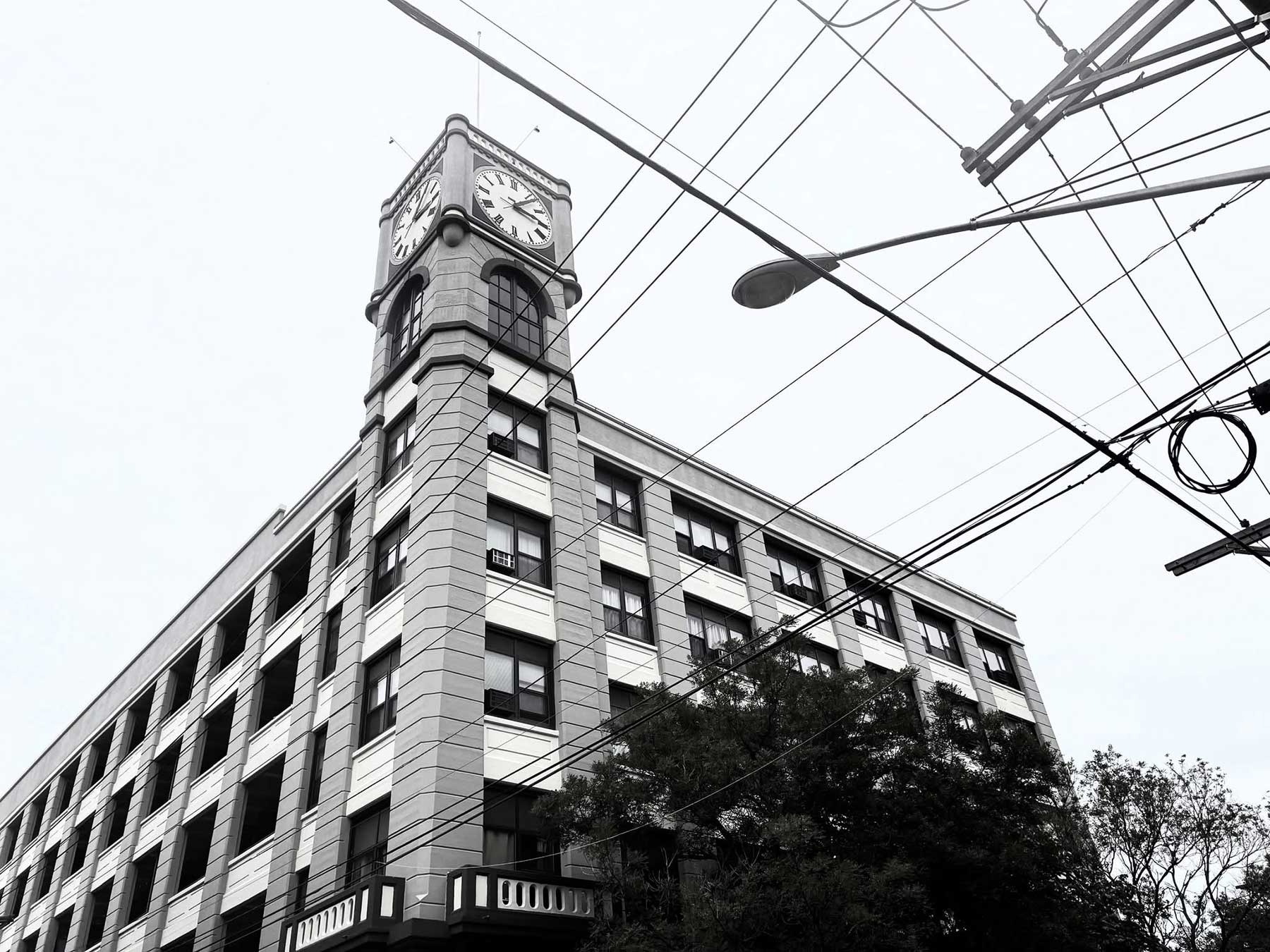
This vast historic preservation program suddenly turned Hoboken — known at the time for little more than Frank Sinatra’s hometown — into a model city for gentrification that avoided displacing residents. The program continued into the 80s, and Barry’s firm Applied Housing alone rehabbed 1000 units and turned them into affordable housing, including the former Kueffler and Esser factory.
“The genius of project rehab was that it kept the people in place,” Barry said. “During the term of construction of the buildings that were chosen to be rehabilitated, we had to find housing elsewhere for the people who were going to return — and we were able to do that because there was so much vacancy.”
Looking back at the tenement rehabilitation program, one thing contemporary cities can learn is that preservation can be a form of urban renewal. But perhaps the more important lesson is that preservation laws alone will not save historic architecture — laws need to be combined with financial help to maintain old properties, and the funds have to be made available with as little red tape as possible.
