

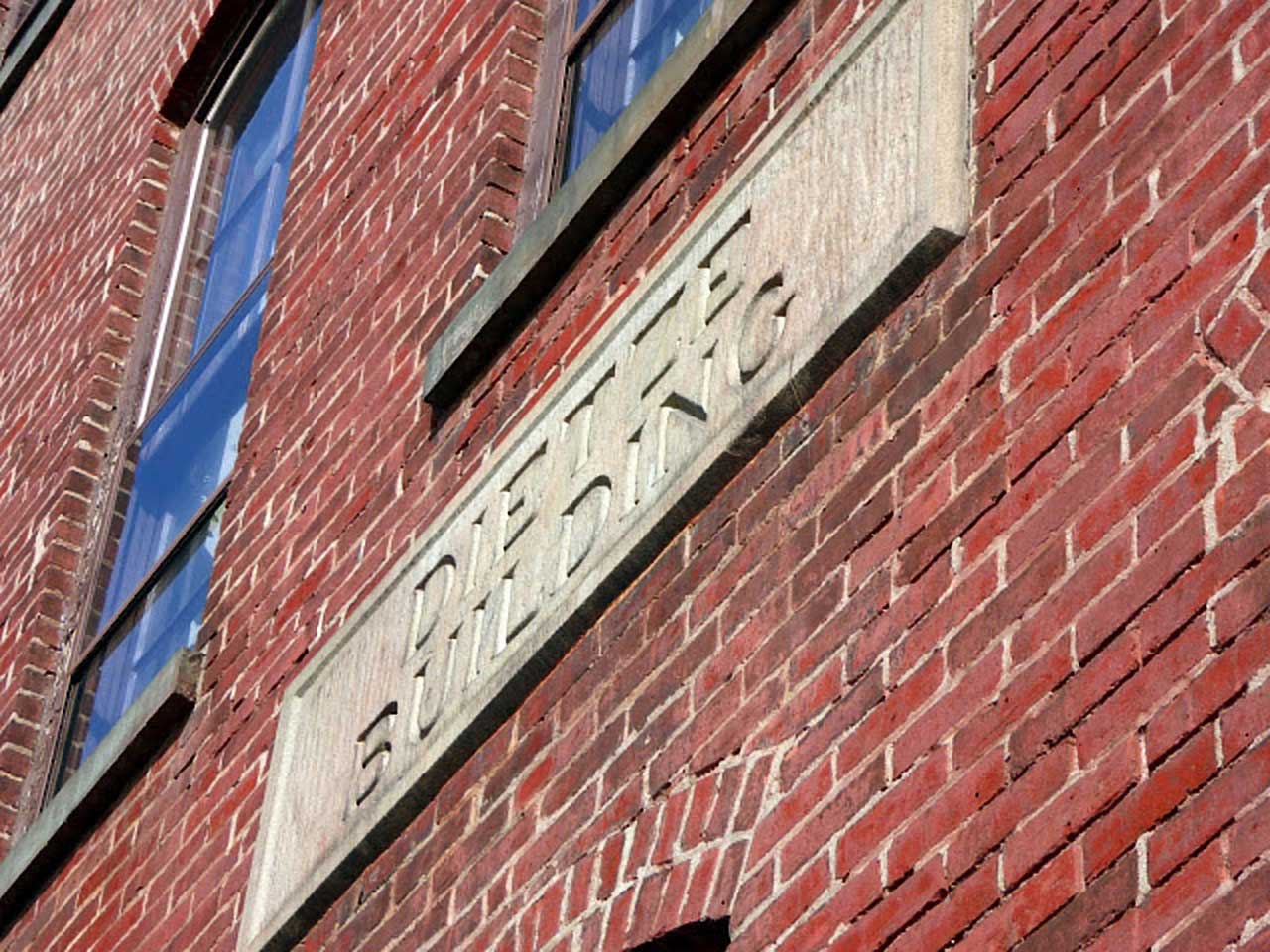
Anker West, a board member at Newark Landmarks, was hoping to get landmark status for the Dietze Building, a building he owns in the city’s Ironbound neighborhood. However, at the time, the city government was using the same form as the National Register, which can be exhaustive and often requires nonprofits to hire architectural historians to complete it.
Four years ago, Newark Landmarks decided to draft a simplified form to fast-track landmark designation, in hopes of providing more historic buildings with protection from demolition.
Recently, the Planning Board finally approved a resolution to simplify the forms. The resolution now requires a vote from the City Council to make it official. Tom Ankner, president of Newark Landmarks, said he’s grateful the effort is moving forward despite stalling at City Hall for so many years.
“We’ve been talking about this at our meetings for so long that I thought that they were never going to pass this,” he said. “Now that there’s a simplified form, we’ll probably do this more often.”
Newark is not a city where local landmarks are designated often. The last building to receive designation was Weequahic High School in 2023, and before that, the Dietze Building.
Ankner said he hopes the simplification of the process will lead to more designations, which have stalled due to cumbersome requirements that often required hiring architectural historians. The effort to nominate Weequahic High School was helped with a $13,580 grant from the National Trust.
“Years ago, we got a lot of buildings on the National Register,” he said. “It’s really expensive to get something on the National Register. It’s prohibitively expensive, so we just tried to get the building on the local register.
“It’s a good thing,” said Myles Zhang, a member of the city’s Landmarks Commission. “It builds community pride — many people love this idea that I can nominate my own building and be included as a local landmark.”
“If you look at the National Register nominations from the 70s or 80s, they were only three or four pages double-spaced,” Zhang said. “One of the reasons the National Register nomination process has gotten more difficult is because there are significant tax breaks associated with the status.”
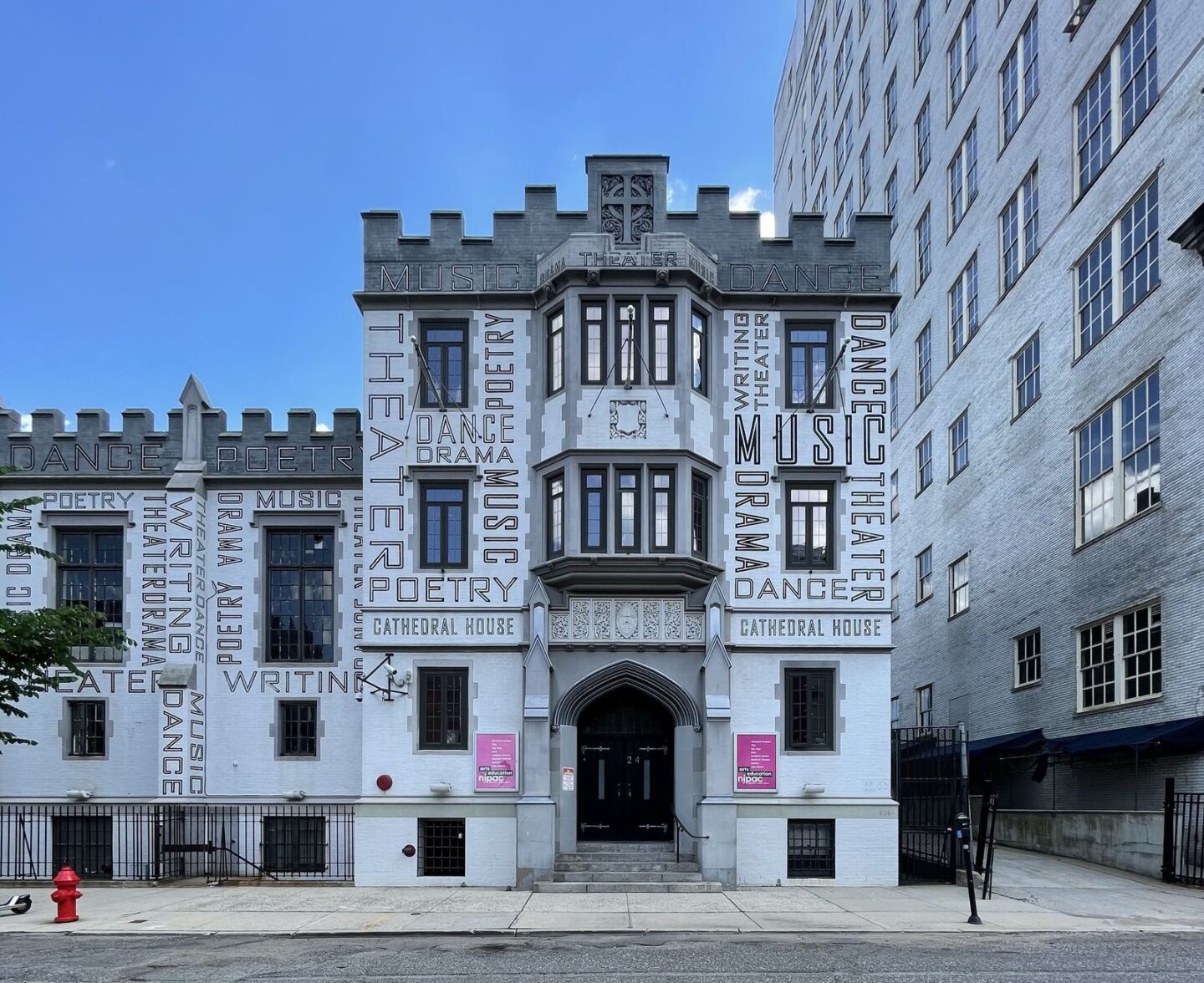
For local preservationists, this resolution shows a lot of goodwill from city officials in a year when one of the buildings within its borders was named among Preservation New Jersey’s most endangered. The Cathedral House building belongs to NJPAC, but the demolition application required five votes from the Landmarks Commission, which is appointed by the mayor. Many of the new members were added after a controversial shakeup, when the commission’s chair was pressured to resign for refusing to issue a letter of support for a pedestrian bridge connecting to Penn Station.
Getting a building listed as a local landmark is important for protecting buildings from demolition, but it also requires the Landmarks Commission to vote against developers. There has been concern among Ankner’s group about how willing the current commission is to prevent controversial demolitions.
“They talk about balancing historic preservation with city development but that’s not really their job,” he said. “They’re job is to protect the historic sites around the city — that’s what their concern should be and it doesn’t always seem like their concern.”
