

This is a guest post by Patrick Carr.
In the course of Jersey City’s long construction boom, education has been woefully neglected. During the Fulop administration, Jersey City added 45,000 residential units and 13 classrooms. The public school that serves the waterfront area, P.S. 16, is currently at 200% capacity. It’s ranked one of the best elementary schools in New Jersey, but it’s also about the most crowded school in the state.
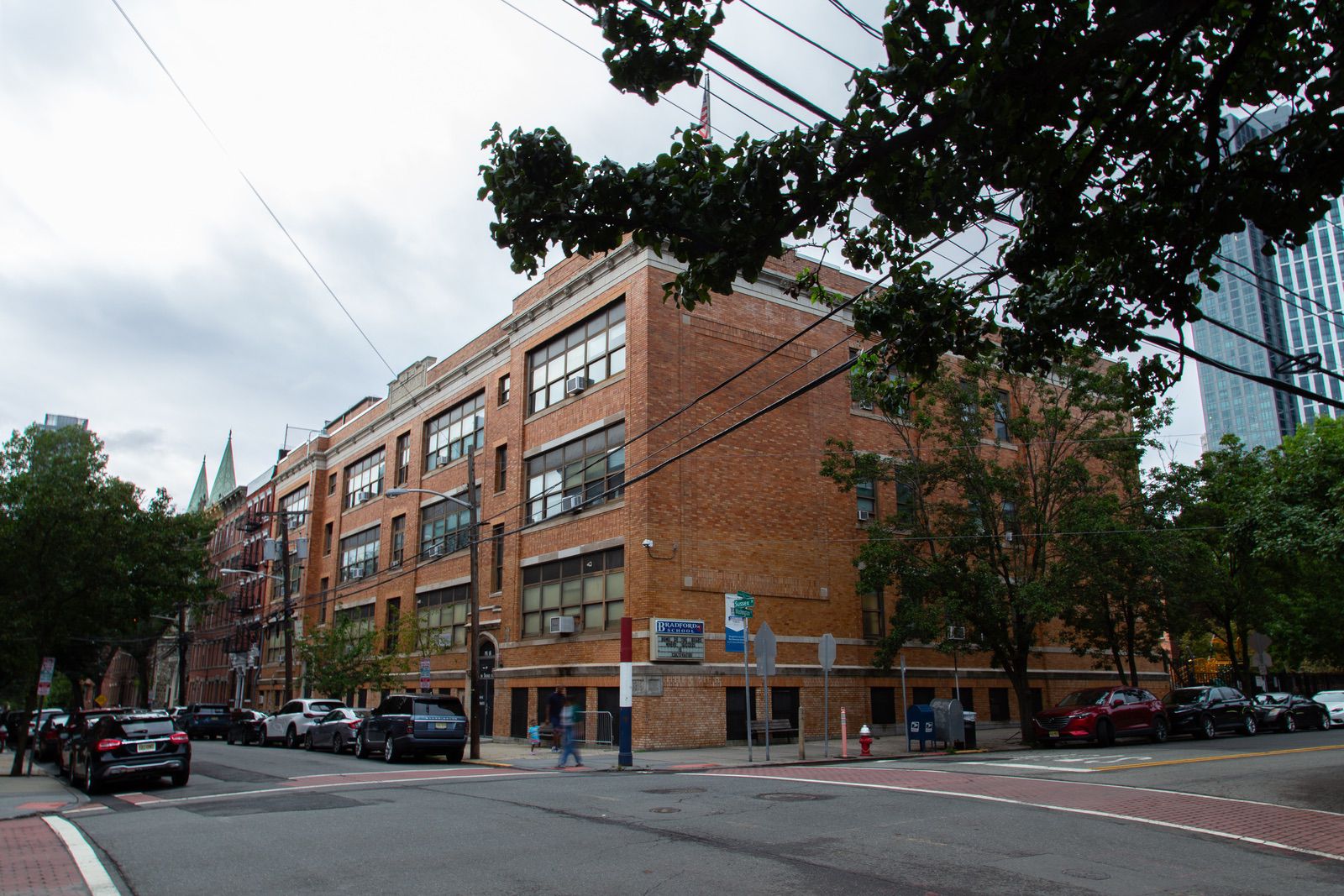
Classrooms will have 35-40 students this year. Starting in 2018, the district started bussing preschoolers to a disused building dating to 1900. That building is now past capacity, and some preschoolers will get bussed to three additional schools. A small annex at Washington and Columbus built by Mack-Cali was overcrowded the day it opened in 2021. It’s at 250% of its intended capacity of 200. Elementary schools throughout the downtown neighborhood are crowding up, and many of our public schools are in terrible disrepair even as their neighborhoods get redeveloped. What gives? We see the towers going up everywhere, but where are the schools?
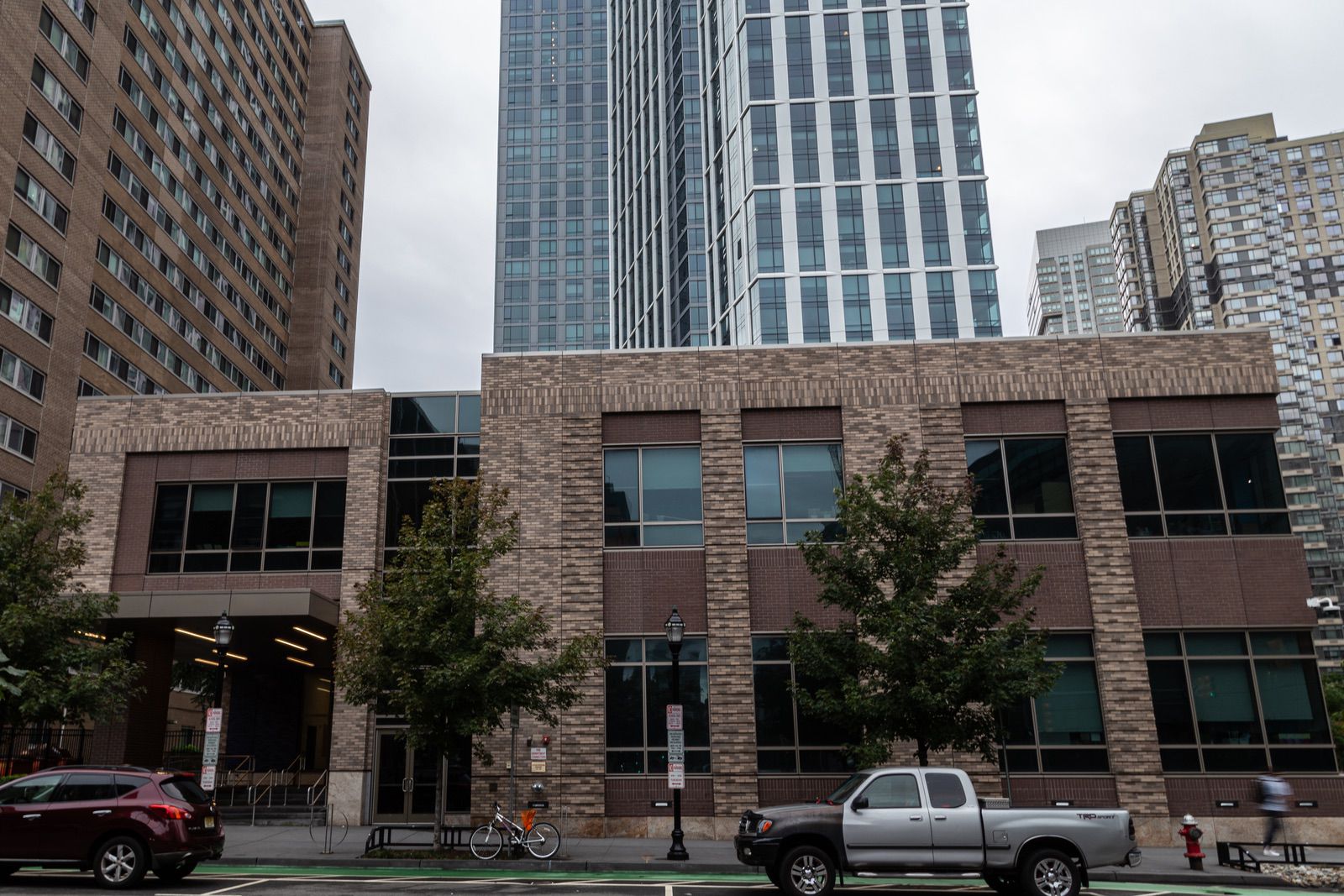
At the moment, there are 0 new classrooms in planning or construction near the waterfront or downtown. Still, at least 10,000 residential units will come online there in the next few years. There is no plan for school space to accommodate current or future students, and no mechanism exists that links real estate development to educational need. Private developers can build as they like—and taxpayers have given them break after break to do so—but building schools requires political will and coordination between governing bodies.
There are two potential avenues to getting school space built in Jersey City. There’s the “traditional” avenue, where the state’s School Development Authority coordinates with the district and handles funding and construction. This avenue is slow, and resources are currently scarce. Then there’s the private-public avenue, in which a developer agrees to provide school space as part of a larger deal. That’s how the small P.S. 16 annex got built. In 2020, a similar deal was struck for another school downtown. At the time, it was reported that “Jersey City has found a way to have new development mean new schools — at no cost to taxpayers.” A miracle! Alas, the developer pulled out of the deal in 2022 because the former mayor changed the agreement and didn’t really care about the school project. Years were wasted. The private-public avenue is a fraught one.
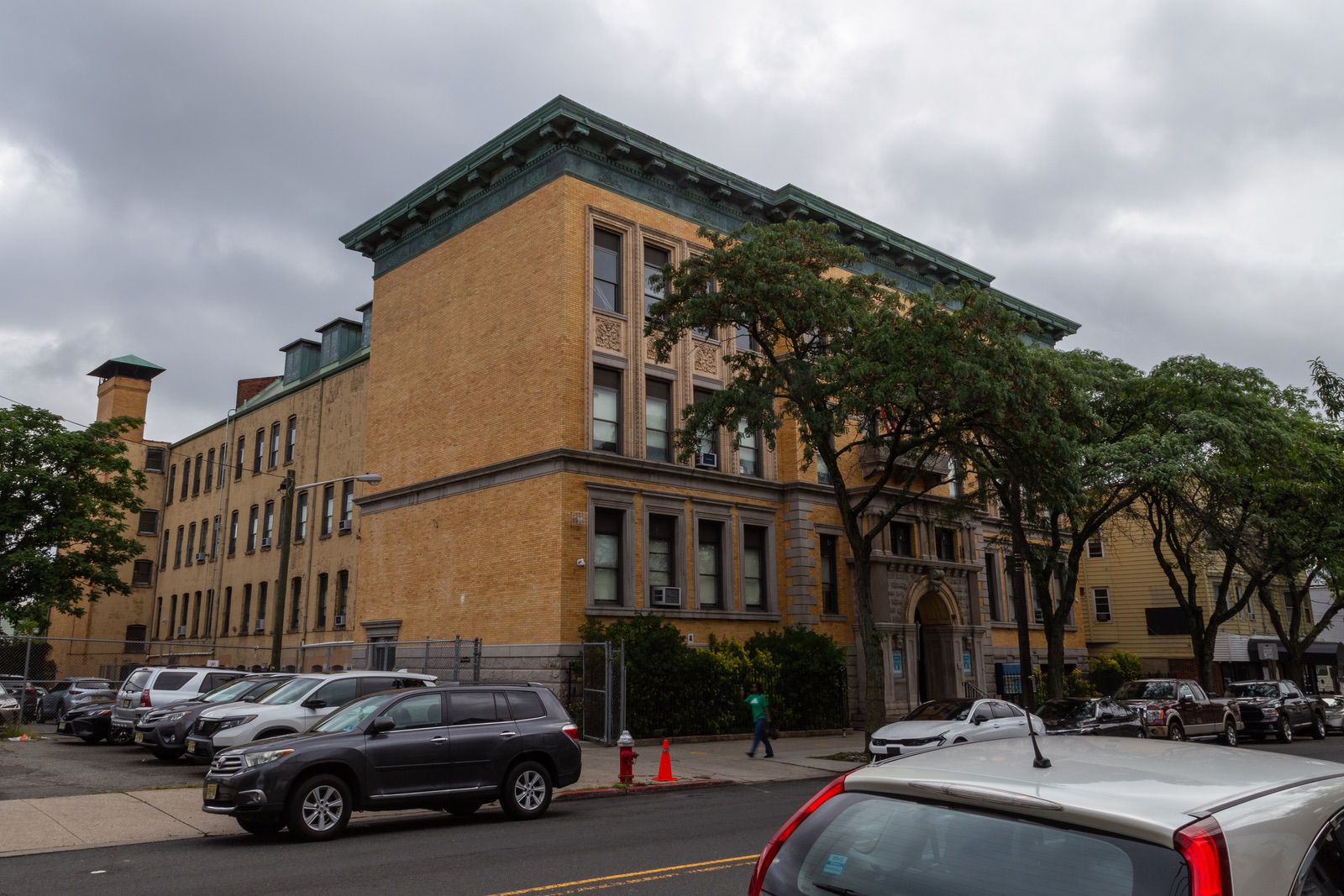
To be clear, I would be delighted for a developer to build school space to alleviate crowding at P.S. 16. But I don’t imagine that private developers are going to provide adequate facilities for the entire district. The state really needs to step in here. Most Jersey City schools are between 95 and 130 years old, built at a time when only 10% of Americans graduated high school. These buildings show their age, and they’re only getting older and more crowded—as are urban schools around New Jersey. We need a plan. Today, the district’s Long Range Facilities Plan is long outdated, Jersey City’s master plan doesn’t even contemplate education, and the state is struggling to muster the political will to fund school construction in districts that desperately, desperately need it.
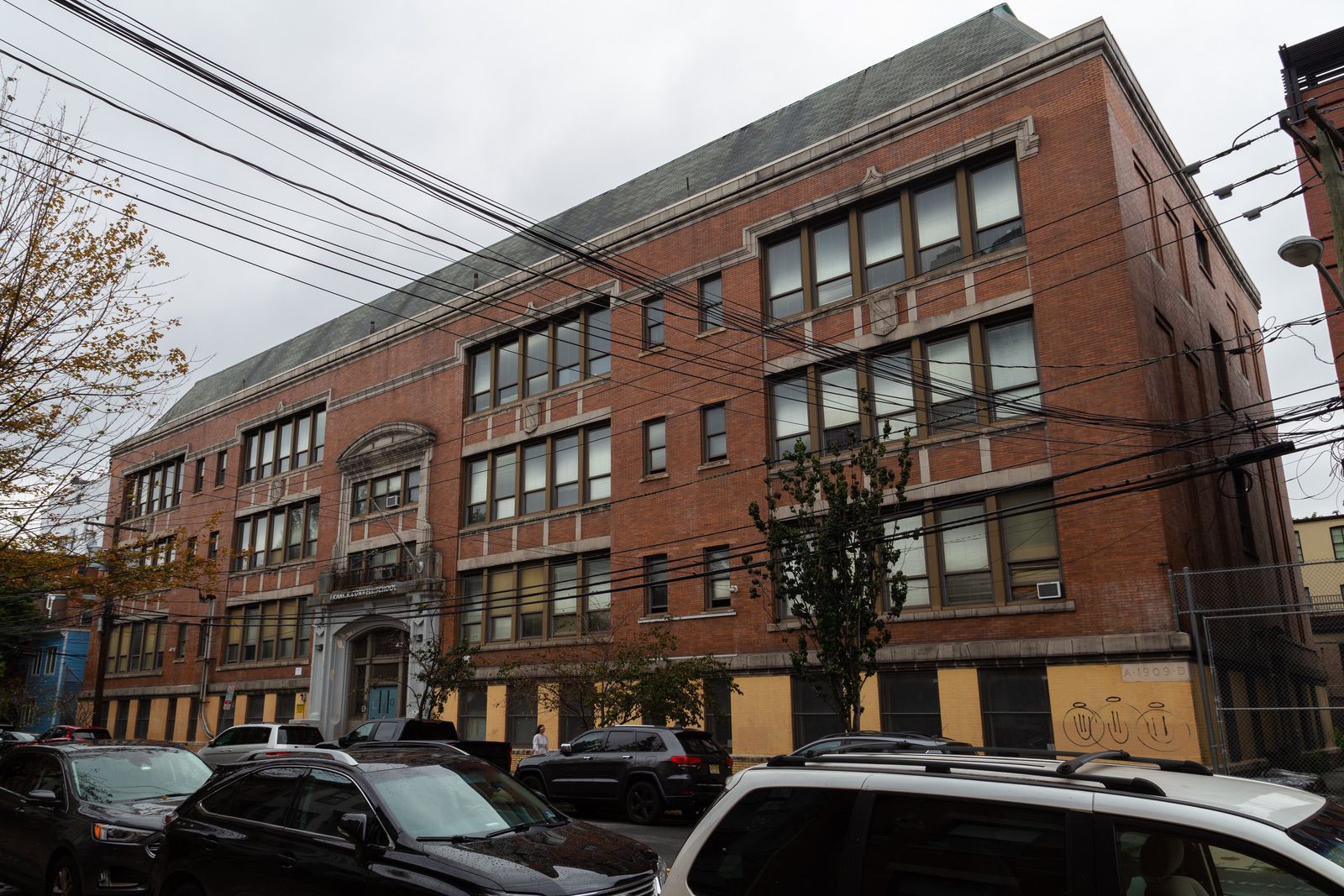
Education hasn’t been a political priority for a long time. That’s due in part to the fact that education isn’t a priority for the general public. Many people hear “education” and think immediately of their tax bill. While we hear a great deal about how expensive education is, we need everyone who can to advocate at the state and local levels for quality education.
Educating children is about the most important thing the city does. It impacts everyone, whether they’re parents or not. If you hope to grow old in a competent society—if you want to visit competent doctors or participate in a competently managed economy—you need a strong education system. So please, take the time to learn about Board of Education candidates. (Vote For Stronger Schools this November!) Attend public meetings. Ask your neighbors about their school situation. And when community feedback is solicited for development plans, ask: Where are the schools?
