
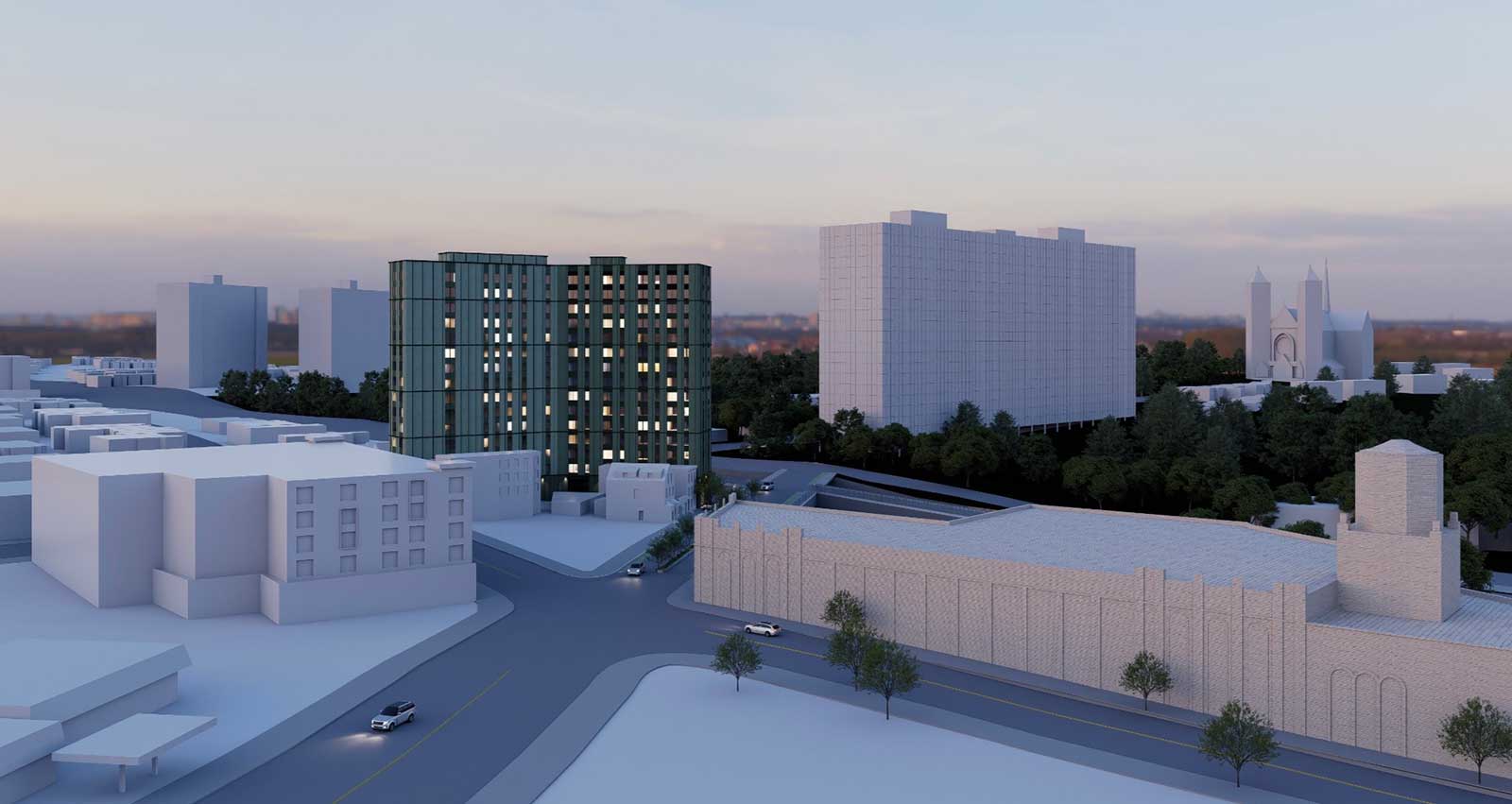
A mere weeks after Pedro Gomes had his first high-rise approved in Newark, the developer had a second tower approved, this time reaching 15 stories.
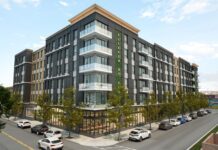
This caps an incredible few months for Gomes, who has debuted completed buildings at 1213 Gibson Boulevard and 254 Orange Street and won approvals for a building at 330-338 Mulberry Street and a 14-story building at 253 Orange Street.
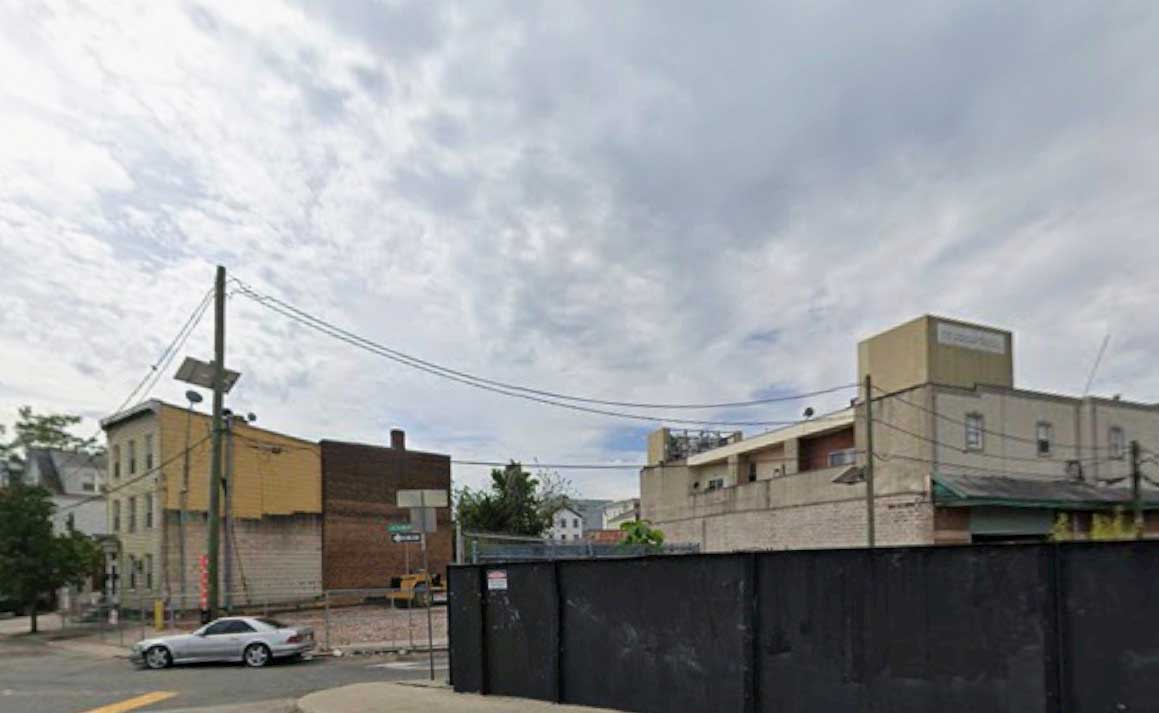
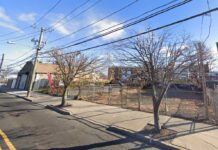
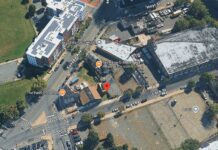
His focus has been on developing the eastern edge of University Heights — an unnamed neighborhood that Gomes calls the Novu District — that has long been defined by empty lots and approved projects that haven’t seen construction, notably the still-abandoned site of the demolished Newark Bears stadium.
“When I drive through that area, there are empty lots — and that’s not good for any community,” said Charles Hall, Zoning Board member, who voted in favor of the project. “What is good is what the master plan and redevelopment plan wants — and what they want is to have a nice gateway into another end of our city.”
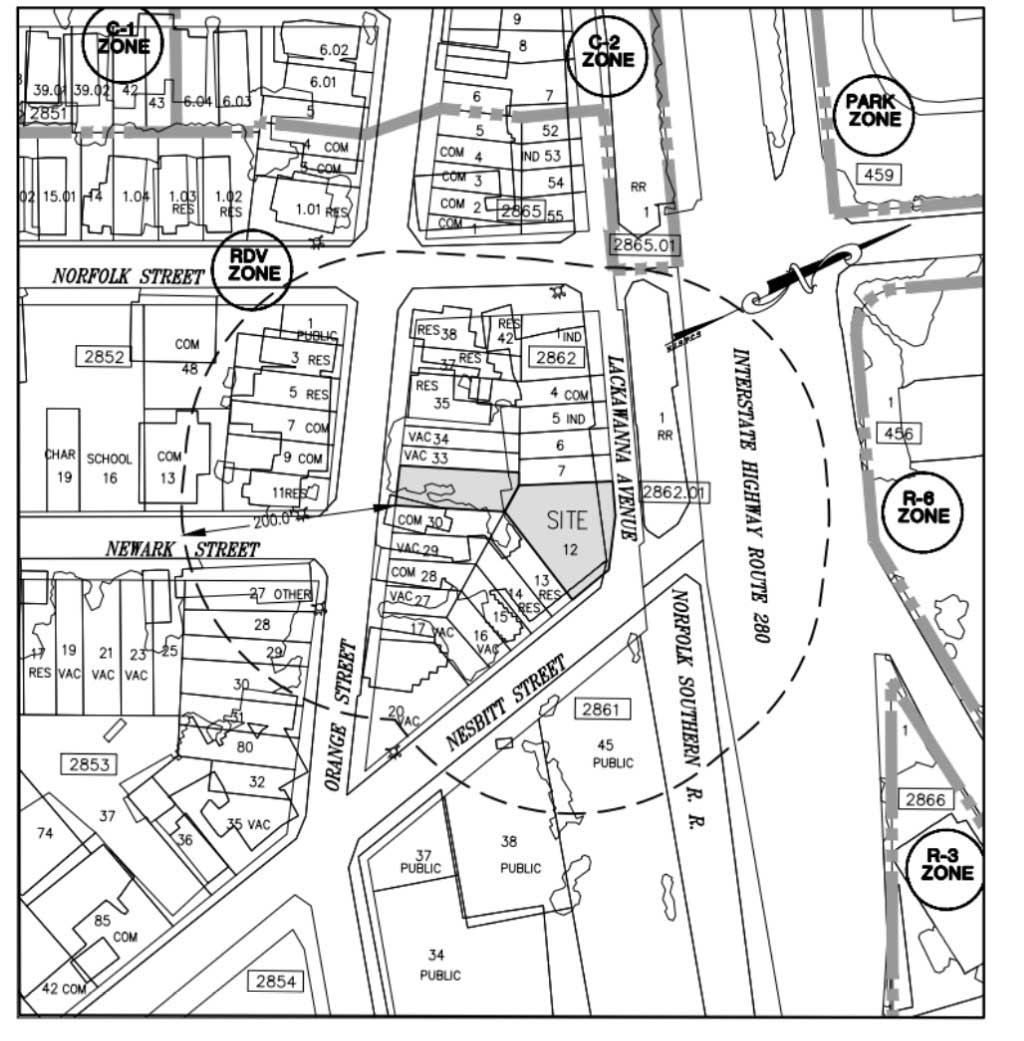
On the latest high-rise approval at 273 Orange Street, Gomes worked with the architects at the Musial Group, a longtime collaborator and the same architect behind the modernist-inspired building at 253 Orange Street that received approval on March 12. One highlight of the architecture is the use of green-pigmented concrete panels that almost resemble terracotta. It appears to be the same material used at 253 Orange Street, both designed in tandem.
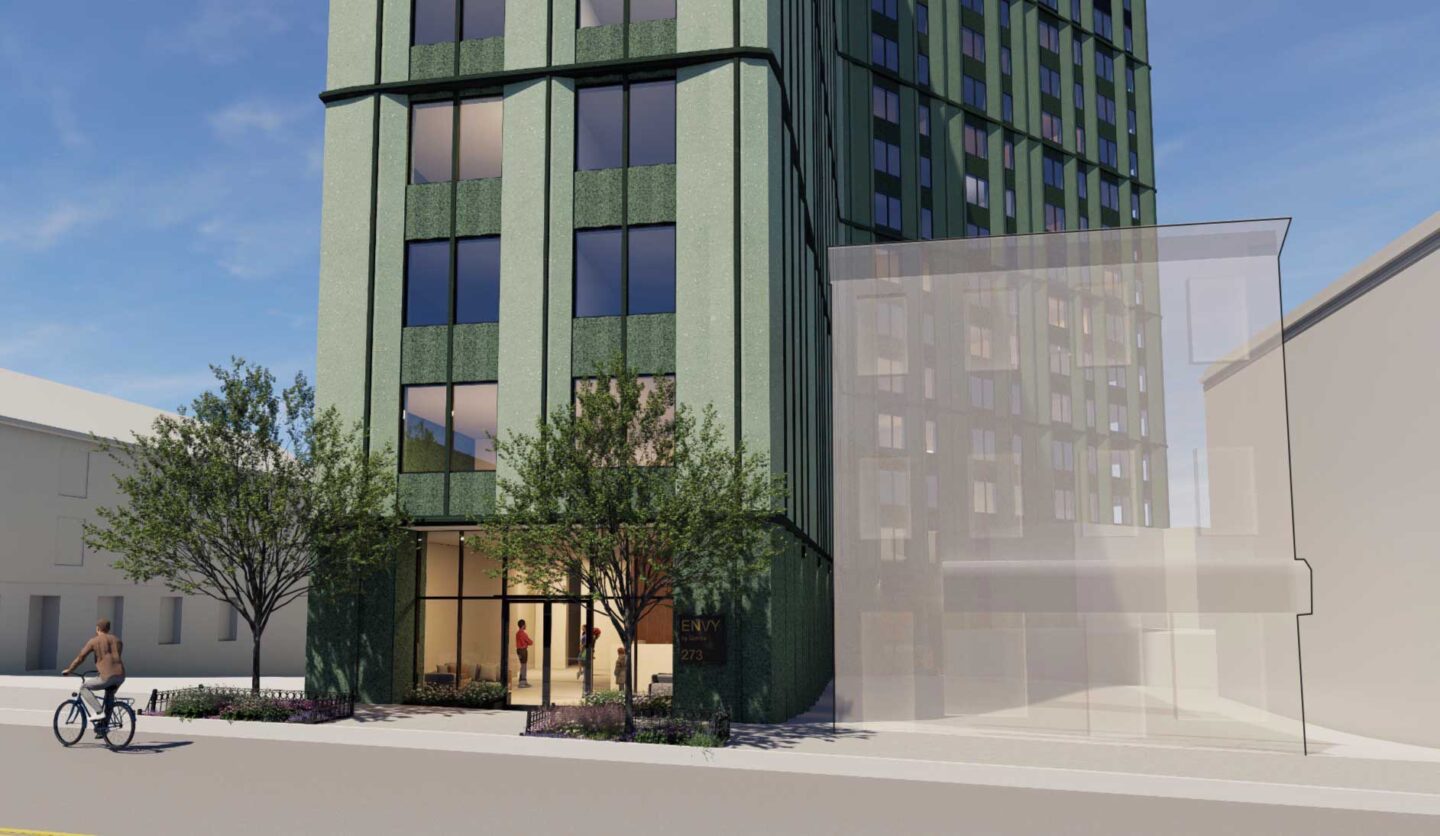
Architect Noel Musial, the firm’s principal, said he hopes the tower is “a focal point” in a neighborhood defined by another modernist landmark, the Colonnade, one of the famous buildings by Modernist architect Ludwig Mies van der Rohe.
Although most of the comments from residents about the proposal were favorable, one concern about building came from Carmen Perez, who lives on Nesbitt Street, who called the lack of parking “absurd” for a building with 140 units.
“We have a problem with parking,” Perez said.
Although Charles Auffant, Zoning Board chair, conceded that the lack of parking would create a “rough” situation, he said the problem lies in local zoning, which doesn’t require on-site parking there.
“We have no power to enforce parking here because under our city’s ordinance, parking is not required here,” Auffant said. “I hear you, but the applicant here is complying with the city’s ordinance.
Marcella Traina, a planner for Stonefield Engineering and Design hired for the project, noted the building was designed in line with the goals of the Broad Street Redevelopment Plan, originally passed in 2008 under Mayor Corey Booker, to create a high-density neighborhood around Broad Street Station and reduce vehicular traffic. The Norfolk Station light rail station is also two blocks away. “One of the main goals of that redevelopment zone is to promote transit-oriented development,” Traina said.
The only variances Gomes applied for were for the building’s height and shade trees, neither of which proved controversial. The Broad Street Station redevelopment zone, which was last updated in 2025, calls for a recognizable landmark at that corner, Traina said.
“It’s one of the first properties you encounter when coming over the Nesbitt Street overpass,” Traina said. “Because of that, it really has the opportunity to serve as a strong visual gateway into the Broad Street Station redevelopment area.”
The redevelopment plan also envisions Orange Street — from Nesbitt Street to Broad Street — becoming a commercial corridor. It will be interesting to see what Gomes does with the former Borden’s factory, which he acquired last year. The well-known landmark occupies a large portion of this stretch of Orange Street, and although it has no landmark designation, the redevelopment plan calls for its preservation.