


If you’ve ever spent time in the Ironbound neighborhood of Newark, you might have caught a whiff of the infamous smell. Gustavo Alcocer believes it is coming from the nearby Passaic Valley Sewage Commission’s wastewater treatment center, which leaks chemicals into the air.
“The smell is disgusting,” said Alcocer, project manager at the Ironbound Community Corporation. “It’s really intense — I get headaches just being there.”
The potential causes of foul odors are in no short supply in the Ironbound. There are chemical plants, refineries, an airport, a seaport, an endless parade of diesel trucks, and an incinerator that gobbles up half of Manhattan’s trash. That’s why the ICC is pushing back so vehemently on PVSC’s proposal to build its fourth fossil-fuel plant. The group believes they already have enough pollution, according to their lawsuit against PVSC — one of two ongoing legal battles aimed at striking down the plan.
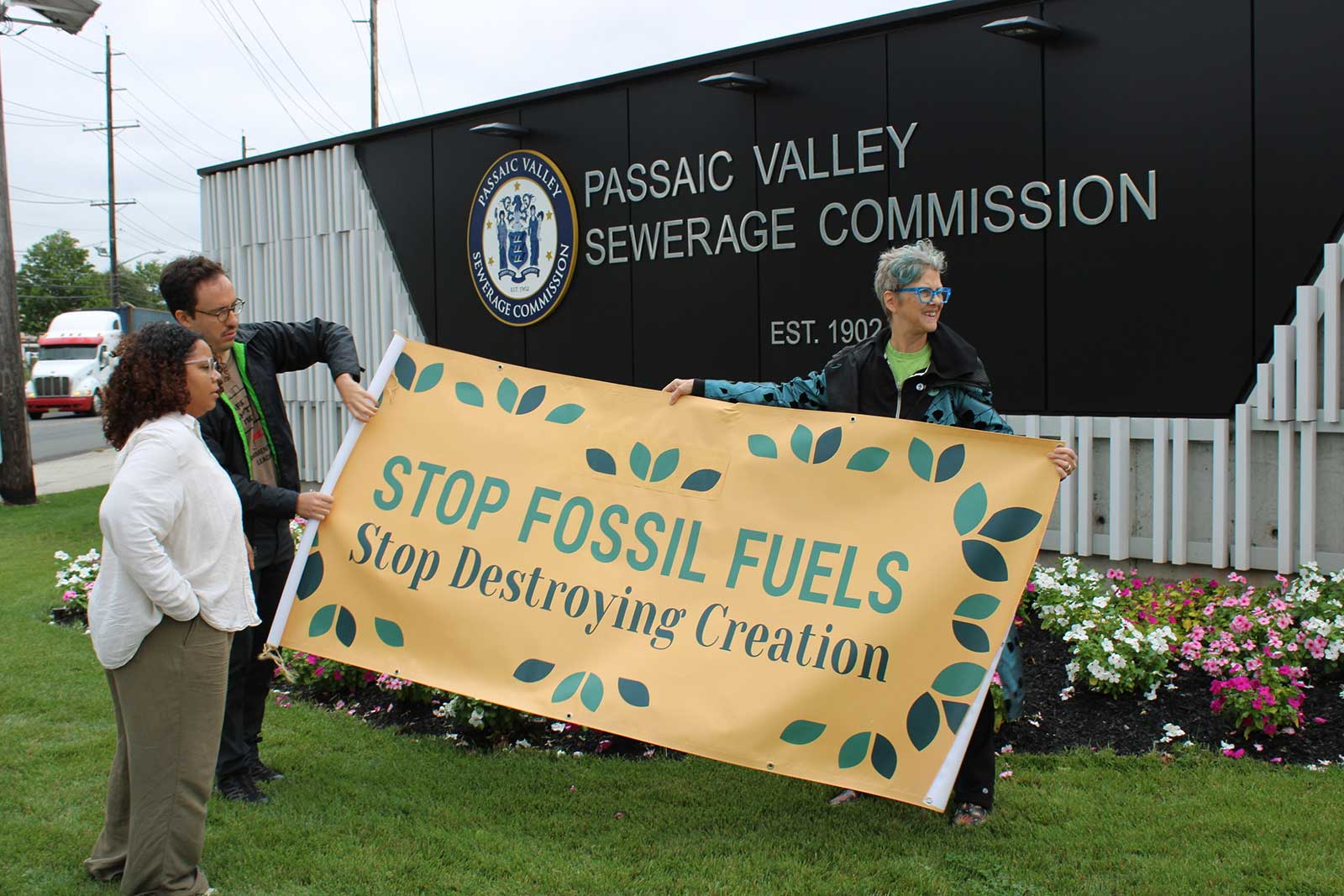
“Adding another power plant means there will be more contaminants and pollution in the air,” Alcocer said.
The reason PVSC is determined to build a fourth power plant dates back to Hurricane Sandy. In 2012, stormwater flooded the banks of the Passaic River, causing an electrical blackout at the sewage treatment center in the Ironbound. Without power, the PVSC — which processes 330 million gallons of sewage per day — was forced to dump almost a billion gallons of raw sewage into Newark Bay.
Ever since that incident, PVSC has been devising ways to ensure that such a catastrophe never happens again. One of those defenses being proposed is a gas-powered power plant that would prevent a future blackout in cases of emergencies. This plant has been the subject of much protest among Ironbound residents for the past 4 years because of the pollution it would cause in an industrial neighborhood with some of the highest asthma rates nationwide.
This opposition has splintered into two separate lawsuits — one was filed by Newark’s city government, claiming PVSC violated the terms of the Department of Environmental Protection’s permit.
The other lawsuit that ICC filed claims that PVSC violated the state’s Environmental Justice Law — signed in 2020 — which includes a provision that prohibits the construction of “new polluting facilities in overburdened communities.” The ICC hired Earthjustice lawyer John Smith to represent them.
Although the lawsuits cover different legal grounds, they reach the same conclusion — the power plant should not be built in this part of the Ironbound, nicknamed the Chemical Corridor. Not only is the Ironbound one of the “densest industrial corridors in the state,” the lawsuit claims, but even more pollution can be found at the bottom of the Passaic River, where you’ll find lethal doses of dioxin, a remnant of World War 2-era production of agents of chemical warfare.
“Why does the Ironbound have to be sacrificed again and again for the sake of the larger state?” said Alejandra Torres, assistant director of advocacy and organizing at the Ironbound Community Corporation.
The legal battle is not just about striking down a power plant but getting PVSC to use renewable energy. PVSC is one of the largest polluters in the area, operating a wastewater treatment facility that emits 300 tons of smog into the air each year. Three existing fossil-fuel power plants generate energy for that facility.
PVSC admitted in a document called Compliance Statement that they did issue a request for proposal for renewable energy alternatives for the proposed fourth power plant, but despite receiving six different proposals, they turned down those options. Instead, in June, the PVSC voted 6-2 on Resolution 125-25 to award Skanska/Railroad SPGF JV the contract to build the gas-powered plant for $232,700,000.
Torres believes that the lawsuit is about something more fundamental than just clean air — it is about self-determination, the right for Newarkers to control what their communities look like.
“For us, it’s about ensuring that people are centered in the decision-making happening here in Newark,” she said.