

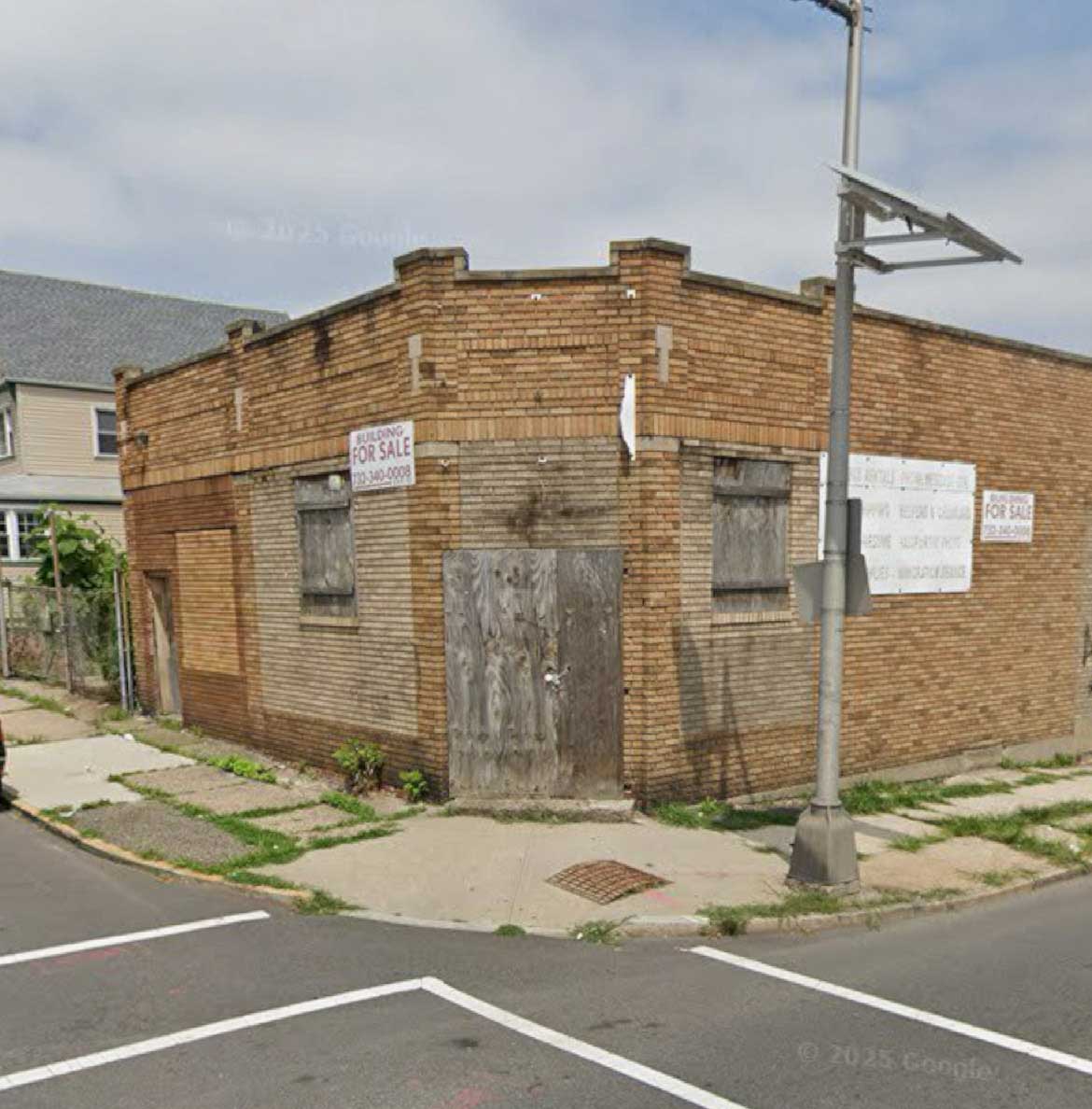
An East Orange property owner recently won a decades-long court battle that could signal a change in the way tax foreclosures are handled.
In 1994, Lynette Johnson bought a property at 250 Tremont Avenue for $55,000. A year later, the city government wrested the property back after Johnson failed to pay the taxes.
The reason why Johnson became delinquent in the taxes was a perfect storm of misfortunes – she claims that the tax notices were going to the unoccupied East Orange property instead of to her home in Newark. Johnson’s lawyer David Deerson also claimed that Johnson was distracted by her late husband’s fatal illness.
The case, however, is less an inquisition into why Johnson became delinquent, and more about the longstanding injustice of why a homeowner can lose all their equity in a property because of unpaid taxes. This is an issue that Deerson’s organization Pacific Legal Foundation has been on a crusade to correct, even winning a case before the US Supreme Court that paved the way for Johnson’s legal victory.
In the Supreme Court case Tyler v. Hennepin County, a woman named Geraldine Tyler lost her Minneapolis condominium that she paid $40,000 for because of a $15,000 tax debt. Instead of returning the surplus $25,000 to Tyler after selling off her home in a foreclosure sale and settling her debt, the county government pocketed the rest. Deerson’s colleague, Christina Martin, argued that case before the Supreme Court, ruling in Tyler’s favor in 2023.
“The Tyler case made it absolutely clear, beyond any doubt, that this kind of practice of confiscating the equity, over and above the tax debt, is unconstitutional,” Deerson said.
The Supreme Court determined that confiscating a property owner’s entire equity in the house violated the 5th amendment of the US Constitution, often called the “taking clause,” which states private property cannot be taken for public use without fair compensation.
The ruling was particularly timely for Johnson, whose case was pending before the Essex County Superior Court at the time the Supreme Court ruled unanimously.
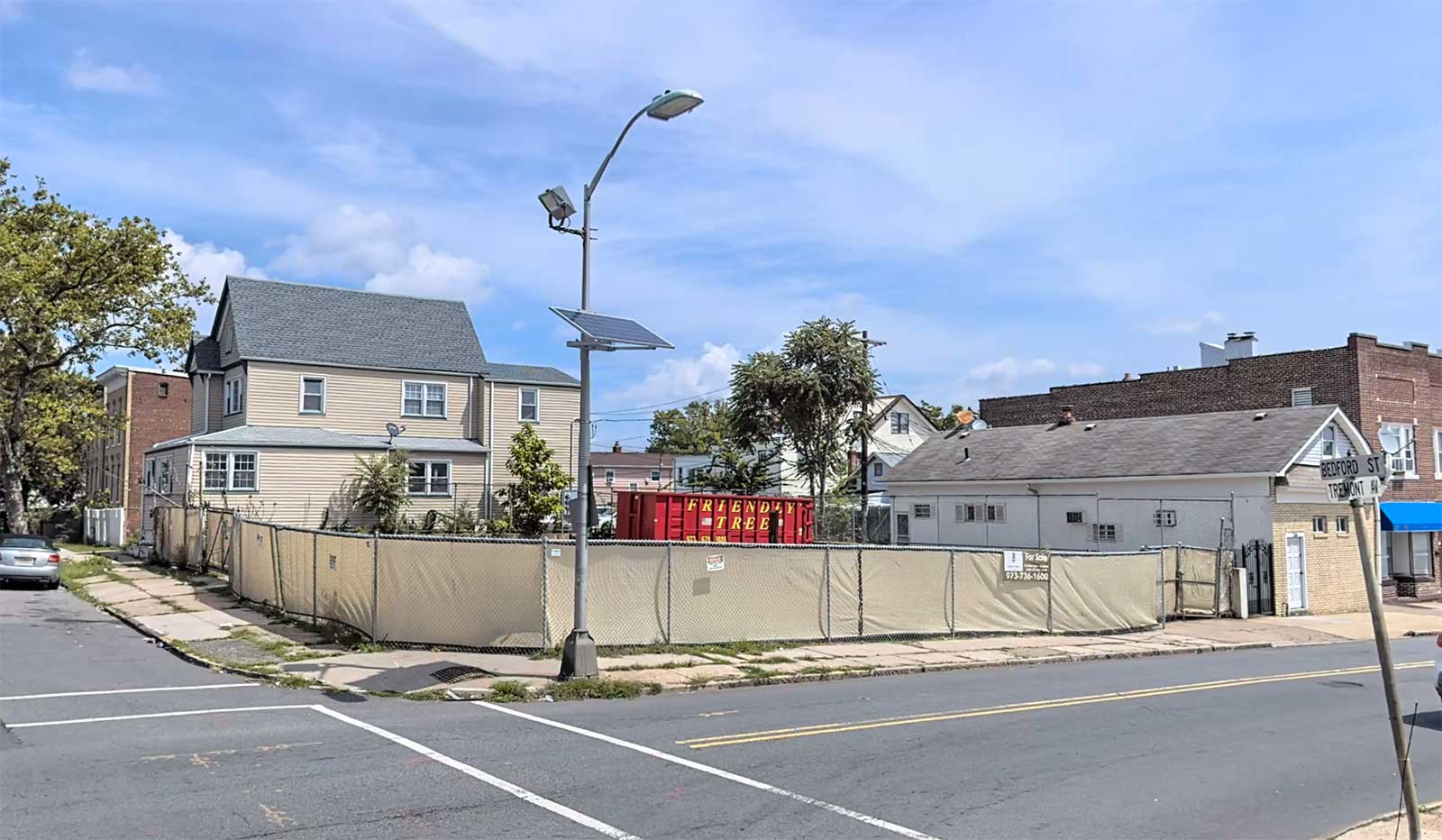
In Johnson’s case, the county attempted to sell the building — which has since been demolished — in a tax foreclosure sale. But without receiving any bids, the deed reverted back to the East Orange city government’s ownership, Deerson said.
Although Johnson initially lost the case in the Superior Court, she won the case in appeals. Now, the last hurdle is for the courts to decide how much Johnson is owed.
“Something is certainly better than nothing,” Deerson said. “The real goal is that if people fall behind on their taxes and the property is foreclosed, the owner doesn’t lose all of the home equity, no matter how tiny their tax debt was.”
The court system was slowly beginning to acknowledged the injustice of tax foreclosure. It was a system that preyed on homeowners, often at their most vulnerable moment, Deerson said, including those who were “destitute, ill, elderly, or those experiencing a death in the family.”
But it wasn’t until the Tyler case that New Jersey lawmakers amended the state statute last year to comply with that ruling. There has since been a ripple effect that has saved other property owners from losing their homes.
For instance, Alessandro Roberts nearly lost his Paterson property over an unpaid $650 sewer bill, but his ownership was preserved as a result of the Tyler case.
“Lienholders are entitled to recover debts they are owed — the value of tax sales certificates they purchased at public auction along with interest and related costs,” Chief Justice Stuart Rabner wrote in his decision in the Roberts case. “But they are not entitled to surplus equity in property that exceeds that amount.”
