

Across New Jersey, opposition to large-scale AI data centers is rapidly becoming one of the hottest topics in real estate.
When a resident of Cherry Hill, South Jersey’s largest municipality, took the microphone for public comment at the Township Council meeting last week, he voiced concerns that have increasingly surfaced across the state and the nation.
“We’re seeing substantial impact from data centers on electricity bills and water supplies,” the resident said. “The AI hyperscale data center in Vineland, for example, has been the topic of countless news stories regarding the noise emitted and the massive scale of the project just up the road from people’s housing.”
The speaker called on the Township to address the issue, and he did not have to wait long. A few minutes later, Cherry Hill Mayor David Fleisher vowed there would be no data centers in his town.
“Cherry Hill will not be the guinea pig,” Fleisher told Jersey Digs in an interview this week. “We know that the technology is evolving, but my opinion is Cherry Hill does not need to be a testing ground.”
Has there been an overture from a data-center developer?
“Not yet, and we want to keep it that way,” said the mayor, who added that Township lawyers are at work on a formal ban.
Similar sentiments to Fleisher’s have echoed across New Jersey, from the smallest communities to the governor’s office, about what could have been one of the hottest commercial development segments since mega-warehouses.
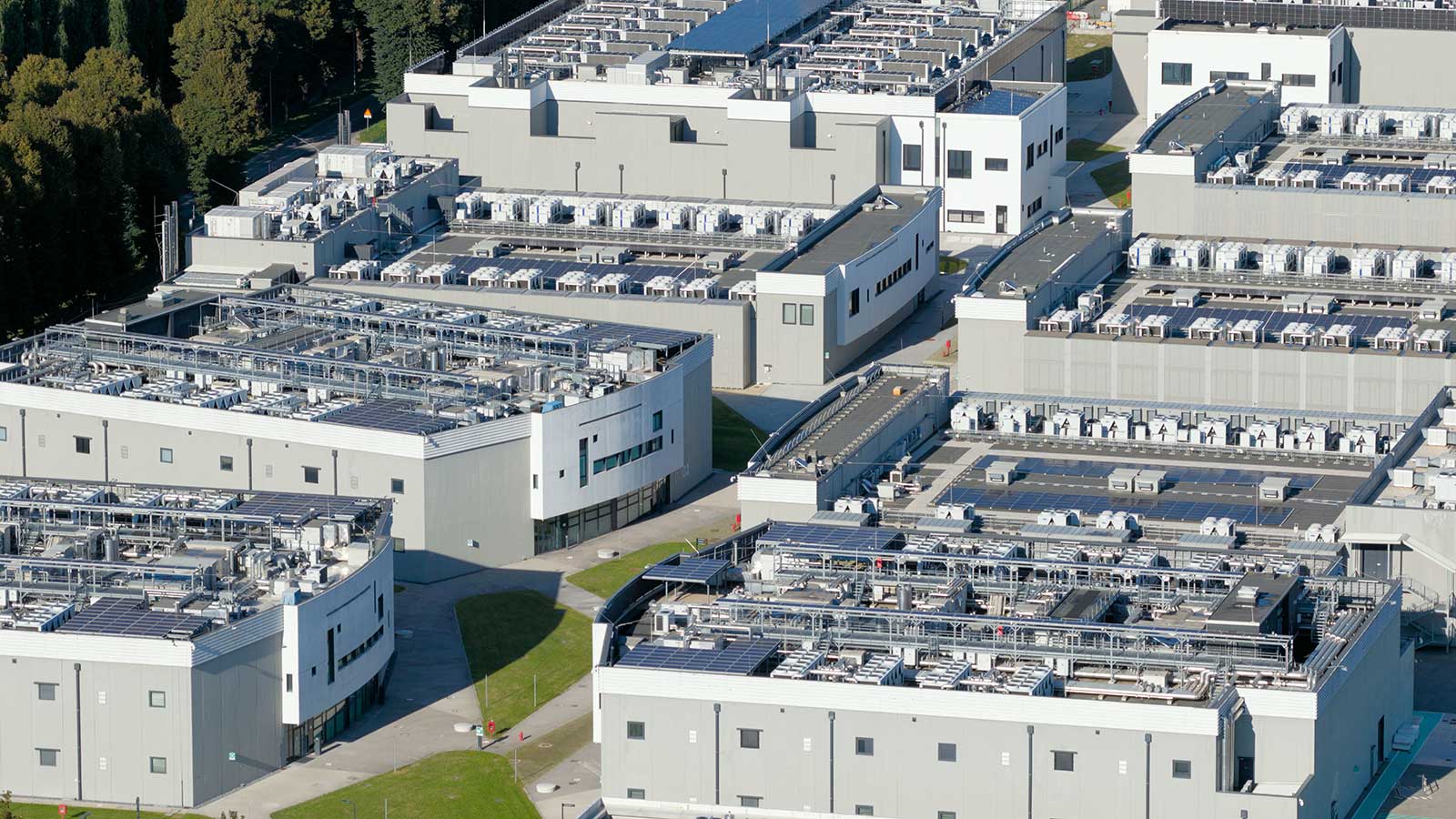
Large-scale data centers? Not in my backyard, residents in the state and elsewhere in the nation are saying, about the huge warehouse-like facilities packed with computer servers and networks needed to accommodate the boom in Artificial Intelligence.
Consider the City of Millville, deep in South Jersey in Cumberland County. By population, the city is less than half the size of Cherry Hill, but its land area is nearly double Cherry Hill’s.
Last month, the Millville City Commission unanimously adopted a new law banning data centers, stating they were not compatible with the city’s land-use planning objectives.
The rationale behind the new ordinance: “Operation of large- scale data centers and similar facilities require significant infrastructure demands including but not limited to extremely high electrical power consumption, substantial cooling requirements necessitating excessive water consumption and that the operation of these facilities results in increased noise from the operation of large mechanical equipment, excessive heat generation and environmental impacts resulting from the operation of the equipment, while contributing limited local employment opportunities relative to the land consumption required for these facilities.”
Millville’s new law in effect killed a proposed 2.6-million-square-foot data center in the city, according to News12.
More than 80 data centers are already in operation in New Jersey, according to South Jersey Climate News. Across the United States, more than 4,313 data centers are operating, according to the Data Center Map.
The map shows Virginia as the state with the largest number, a total of 609 centers. Texas, California, Illinois, and Georgia fill out the top five.
The Pinelands Alliance, a New Jersey environmental advocacy organization with a mission to protect the Pinelands, has launched a petition drive urging Gov. Mikie Sherrill to enact a three-year statewide moratorium on new large-scale data centers.
Sherrill last week joined the data center fray with a statewide plan that does not stall or ban the centers, but “will help hold data centers accountable, while positioning New Jersey to lead in AI innovation,” according to her announcement.
Sherrill’s plan has four “pillars”:
- Ensuring centers bring new clean energy online and contribute to the grid infrastructure needed to support their growth, shifting costs away from residents and ratepayers rather than to them.
- Improving transparency by requiring reporting of energy and water use, giving the public greater visibility into the impact of large-scale facilities.
- Developing strong statewide standards for Community Benefits Agreements and providing state resources to ensure municipalities can negotiate from positions of strength, ensuring data centers address impacts like light, noise, and pollution while making meaningful local investments.
- Delivering good-paying jobs by ensuring these centers leverage local trades and pay prevailing wages.
For now, New Jersey’s approach appears headed toward a patchwork of local restrictions, proposals for statewide oversight, and growing public scrutiny. But with AI demand continuing to surge, the debate over where – and whether – massive new data centers belong in the state is likely only beginning.
