

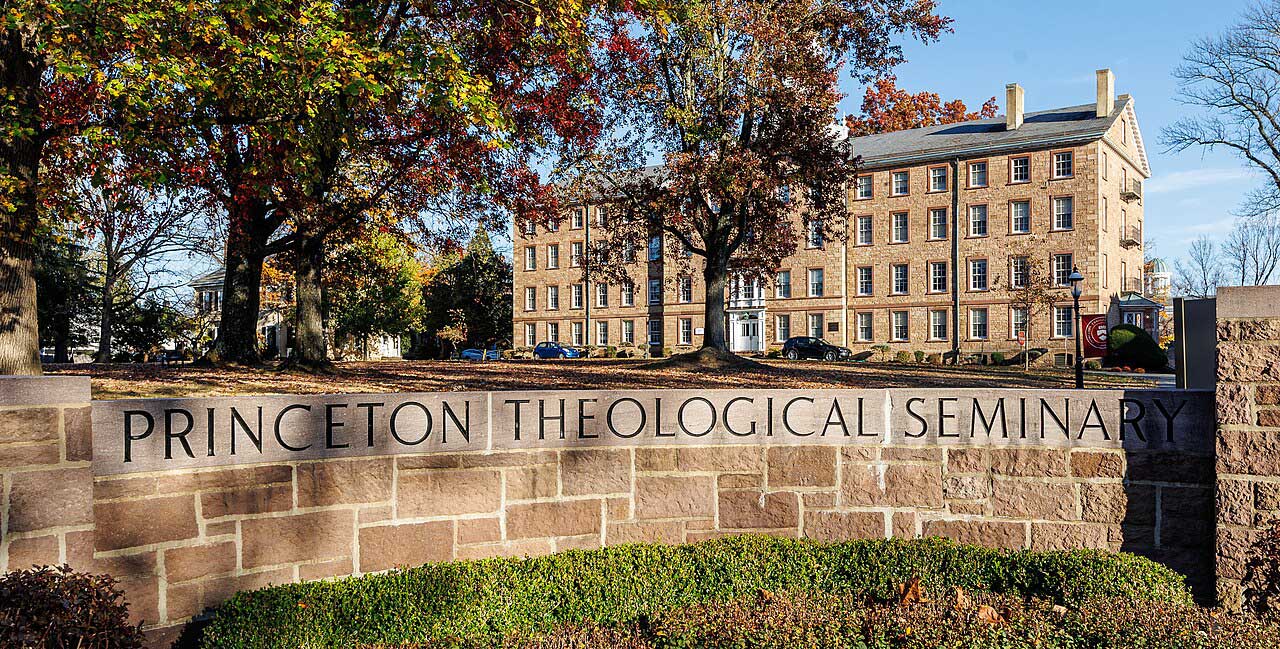
Alexander Hall, built in 1817, was designed to resemble Princeton’s Nassau Hall, but it doesn’t get the same recognition. However, the nation’s oldest Presbyterian divinity school is expected to undergo an extensive restoration by one of the nation’s top architectural firms, which could boost its prominence in a township known for its architecture.
Ann Stewart, vice president at the seminary, recently appeared before the township’s Historic Preservation Commission to present plans to restore the building. No vote was taken — required due to its location in the Mercer Hill Historic District — though members of the commission appeared satisfied with what was shown so far.
“Our priority for this project is restoring its tasteful prominence as the front door of the seminary as it was at the very beginning,” Stewart told the commission. “We take the historic preservation of this building very seriously.”
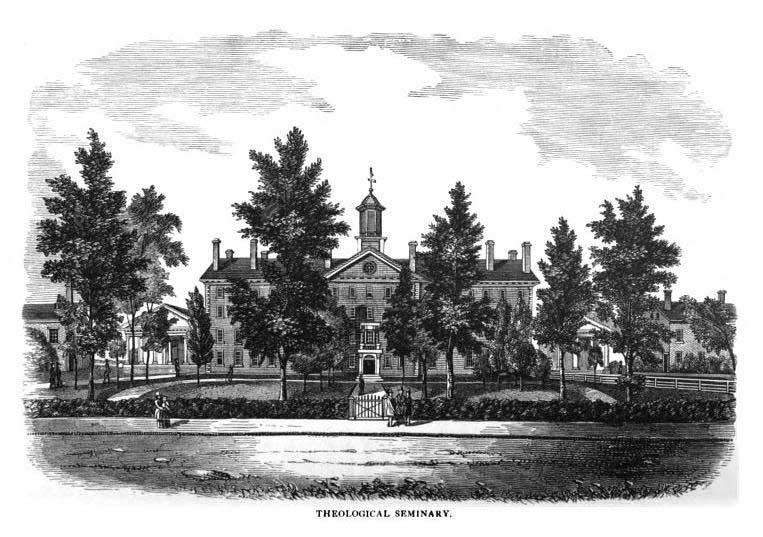
In 1893, Alexander Hall was named after Dr. Archibald Alexander, a Princeton University professor who helped found the seminary and served as the seminary’s first principal from 1812 to 1850. In the early days, theological classes were held in his home at 134 Mercer Street, which still stands near Alexander Hall. The seminary broke away from the college in 1812, and the first building constructed for the seminary was Alexander Hall.
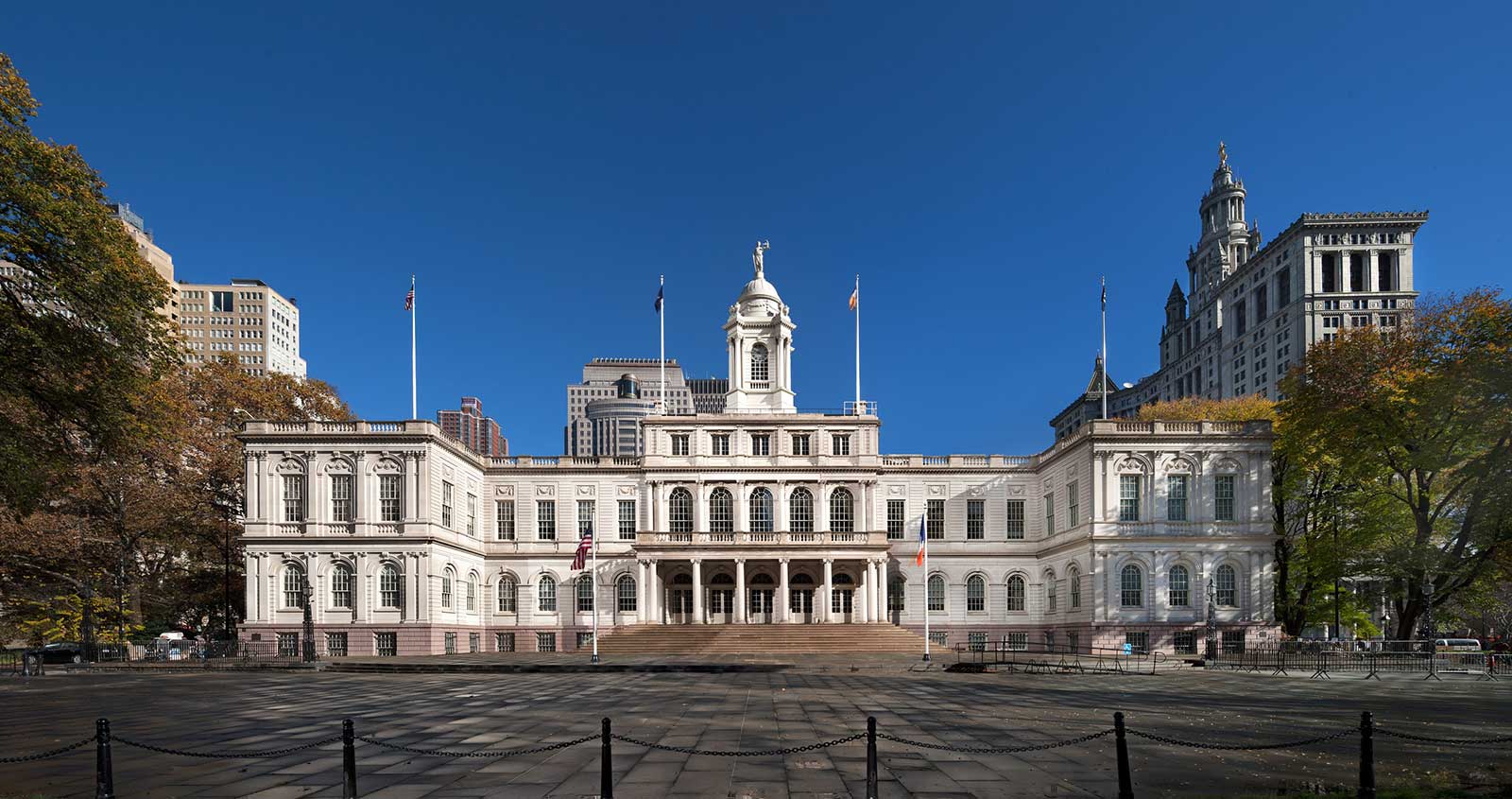
The seminary hired Princeton-born John McCombs to design the hall. This was a time when the architect was at the height of his prominence. In 1799, Gracie Mansion was finished, and in 1811, one of his best-known projects — New York City Hall — followed. It isn’t clear why McCombs returned to his hometown with a lucrative commission only to design a carbon copy of an existing building, but there seems to be a powerful deference to Princeton University underlying that choice.
When Alexander Hall opened in 1816, “every function of the seminary happened in the building when it was first constructed before they added other buildings in the campus,” architect Nate Rogers, partner at Beyer Blinder Bell, the firm leading the project, worked on a building that John McCoomb designed — namely, New York City Hall, Steward said.
The restoration will include repointing the sandstone-and-brownstone facade, repairing the slate roof, and rebuilding chimneys. The cupola, which was altered not long after the building opened, will remain. However, other alterations, like building fire escapes, will be removed.
“We’d like to return this facade to McCoomb’s original mission as much as possible,” Rogers said.
One of the significant changes to the buildings will be the building’s entrances. On the north side, along Mercer Street, a gateway will be constructed. On the south side, a terrace will be constructed that leads out to the campus quad, making the building more ADA accessible
The last time Princeton Theological Seminary planned changes to its campus, it was under very different circumstances. In 2018, the seminary sold off its Tennant-Roberts-Whiteley Campus in Windsor to a developer, Herring Properties, who demolished all three buildings to build a 230-unit project. Though the buildings weren’t landmarked, they were still considered a loss and a cause for concern about what would replace them. Many in the neighborhood are still fighting this plan, though their efforts are complicated because it is tied to the township’s affordable housing obligation. What becomes of that plan is beyond the seminary’s control, as it no longer owns the property.
But the reaction to the seminary’s latest plans was a markedly different tone. “It seems like a wonderful benefit for a number of people in the community and a much more welcoming entrance,” said Julie Capozzoli, one of the HPC commissioners.
